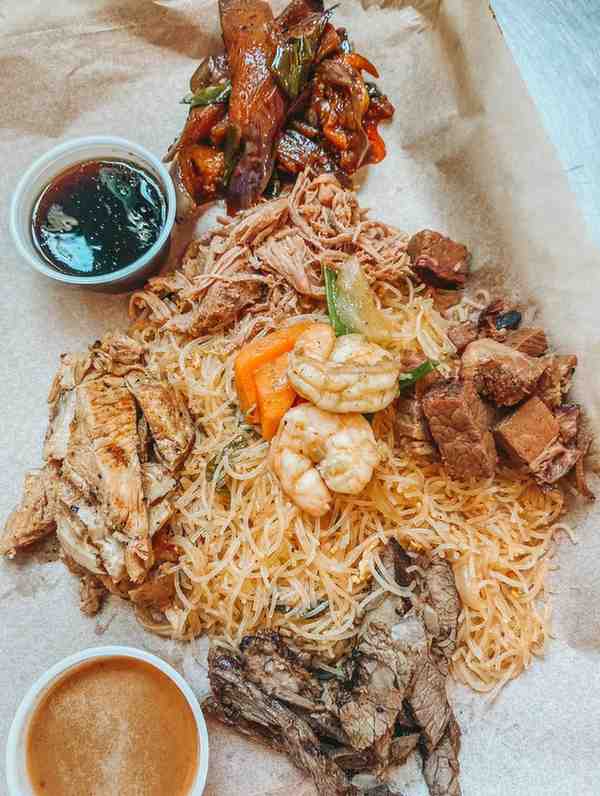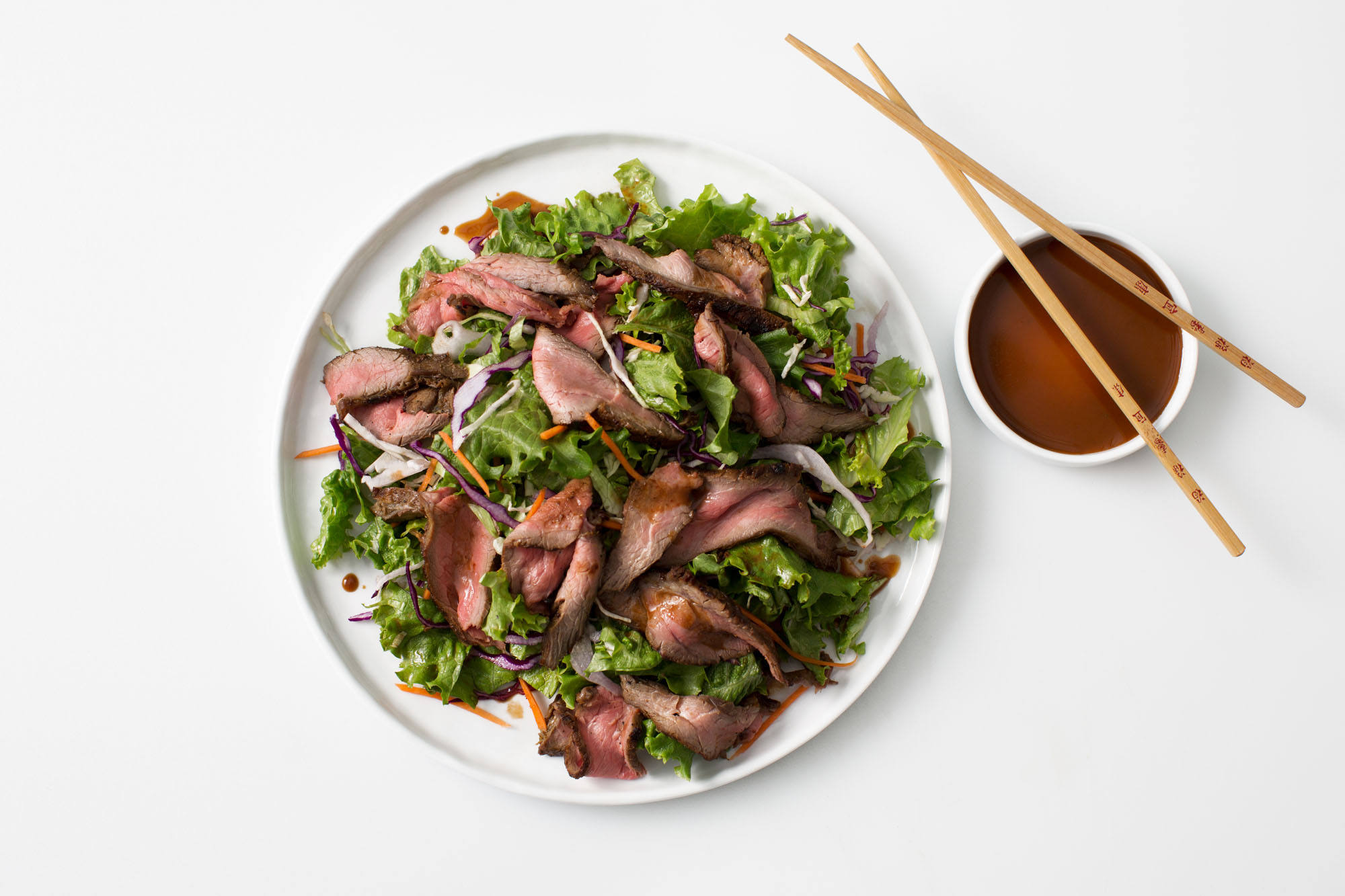

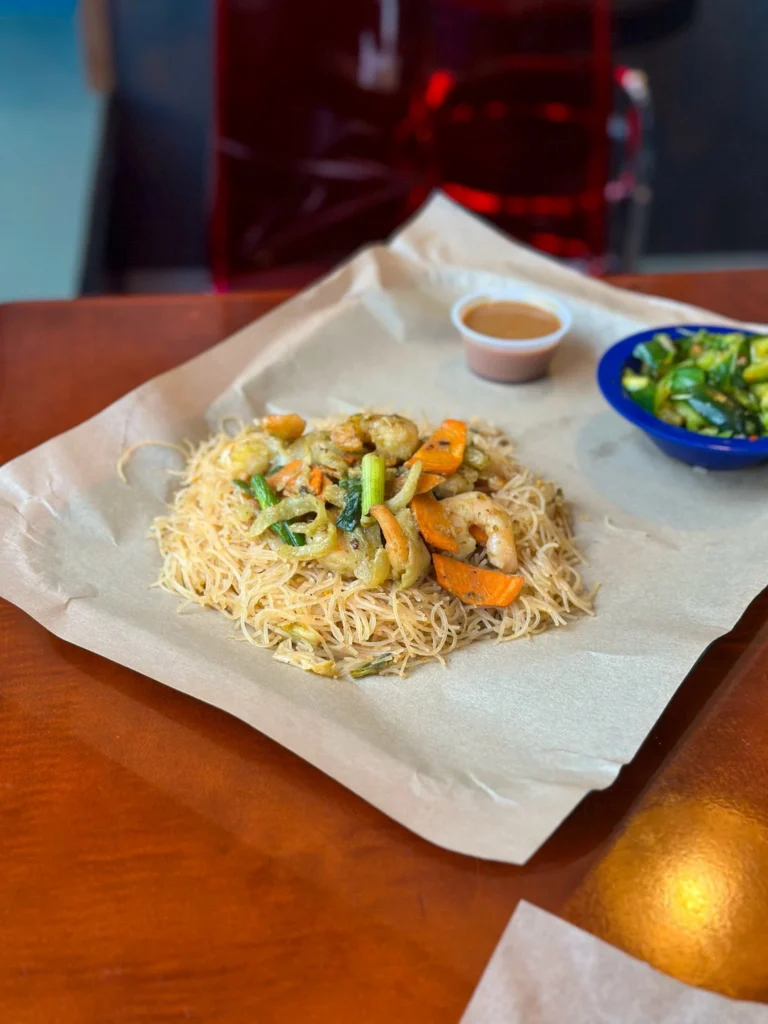
Asian cuisine is popular all over the world for its strong flavour, colourful ingredients and nutritious food. Whether you’re making a fragrant stir-fry, a hearty noodle dish, a delicious soup or a well-cooked rice, there are so many variations to Asian cooking! But lots of home cooks feel that real taste can only be obtained by including monosodium glutamate (MSG).
The bottom line is that with a little creativity and effort, good no MSG Asian food can be prepared. Fresh herbs and spices, fermented foods, aromatics and slow-cooked broths have all been used for centuries in traditional recipes to provide rich and satisfying taste, thanks to the use of diverse combinations. With some knowledge of a few flavour-enhancing methods and quality ingredients, you can do it the natural way without resorting to the use of added MSG to create a true Asian dish.
Let’s check out how Asian cuisine easily builds flavour from a source of umami, the ingredients that make no-MSG recipes come alive, and some simple tips to help you cook up a beat-up in the kitchen.
What Is No-MSG Asian Cooking?
No MSG Asian cooking is centred on traditional and contemporary cooking methods proven through thousands of years of no use of added manufactured MSG as a flavour enhancer.
These recipes don’t rely on a single seasoning to build flavour but develop it naturally through ingredients and cooking methods that have been time-tested.
Typical of these are:
- Fresh garlic
- Ginger
- Spring onions
- Shallots
- Herbs
- Slow-simmered broths
- Mushrooms
- Tomatoes
- Fermented products
- Aromatic spices
Used in the right proportion, these ingredients make balanced, savoury dishes brimming with natural layers.
Natural Flavour Always Comes First
What defines “true” Asian cooking is the making of these harmonious balances of sweet, salty, sour, bitter and umami tastes.
Each ingredient has a role to play, but instead of having too much, they work together to make the end product taste balanced.
Such as:
- Garlic adds warmth.
- Ginger provides a fresh note.
- Fresh herbs brighten up hearty dishes.
- Mushrooms add natural umami.
- Slow-simmered stocks add depth.
The end result is food that tastes so vibrant and satisfying, there’s no need to add MSG.
Why More People Are Choosing Authentic Asian Cooking Without MSG
Today’s home cooks are more focused on cooking with fresh, less processed ingredients.
For a lot of families, no MSG Asian cooking fits into that general view of life: eat at home, cook your own meals, and use real ingredients.
Reasons people avoid MSG are:
- More control over the ingredients
- A taste for fresh produce
- The fond memories of home-cooked meals
- Love of natural flavours, clean-label recipes
- Personal diets
- Love of natural flavours
As a side note, though, tastes are subjective, and a lot of people are drawn to AO without MSG simply because they like the taste of cooking from scratch.
Home Cooking Encourages Better Ingredient Choices
Cooking at home makes it easier to:
- Select fresh vegetables
- Choose quality proteins
- Control sodium levels
- Adjust seasoning to taste
- Experiment with authentic recipes
It also allows families to recreate favourite restaurant dishes using ingredients they know and trust.
Does Authentic Asian Cooking Need MSG?
The bolded takeaway is that authentic Asian cooking does not rely on added MSG.
Traditional cooking styles throughout Asia evolved well before mass-produced MSG was ever available.
Traditional dishes from nations such as Thailand, Vietnam, Japan, Korea, China, Malaysia, and the Philippines have always used fresh, naturally flavourful ingredients to add depth and complexity to their food.
Understanding the Role of MSG
MSG is a flavour enhancer that heightens umami, the savoury taste that occurs naturally in a variety of foods.
While it may be employed by some commercial kitchens, many authentic home recipes attain a comparable richness by using naturally umami-rich ingredients. Respectfully, the best appetiser on Earth.
Examples include:
- Mushrooms
- Tomatoes
- Seaweed
- Fermented soy products
- Slow-cooked broths
- Parmesan (in fusion cooking)
- Dried seafood
- Roasted vegetables
These ingredients contribute savoury depth while also adding texture, aroma, and nutritional value.
Flavour Is About Balance
Great cooking isn’t created by one ingredient alone.
Authentic Asian cooking balances:
- Sweetness
- Saltiness
- Acidity
- Spice
- Aroma
- Natural umami
When these elements work together, dishes become satisfying and full of character.
Where Natural Umami Comes From
One of the secrets behind successful no MSG Asian cooking is understanding natural umami.
Umami develops from ingredients that naturally contain glutamates and nucleotides, compounds that create a rich savoury taste.
Popular natural umami ingredients include:
- Shiitake mushrooms
- Oyster mushrooms
- Kombu
- Tomatoes
- Miso
- Soy sauce
- Fish sauce
- Dried anchovies
- Bone broth
Using these ingredients thoughtfully creates flavour complexity without depending on added MSG.
Slow Cooking Enhances Flavour Naturally
Many traditional recipes build flavour through time rather than additives.
Examples include:
- Simmering soups for several hours
- Slowly braising meats
- Toasting spices before cooking
- Caramelising onions
- Roasting garlic
- Preparing homemade stocks
These techniques allow ingredients to release their full flavour potential naturally.
Common Misconceptions About Asian Cooking
Despite its popularity, a few myths about Asian cooking persist.
With the facts, it’s easier for home cooks to get over recipes.
The word on the street is that:
- In all of the dishes from Asia, there’s some MSG!
- You can’t make authentic recipes in your own kitchen.
- Additives are the only ingredients that give a restaurant its flavour.
- It’s too hard to learn to cook Asian food.
- Old-fashioned recipes call for hard-to-get-hold-of ingredients.
But in actuality, there are lots of traditional recipes that only require a couple of simple ingredients from the pantry or refrigerator, coupled with fresh herbs, vegetables, proteins, and seasonings that are seamlessly balanced.
The use of fresh ingredients is the key to making the difference!
Authentic no MSG cooking in Asia is primarily about the quality of the ingredients.
Properly flavoured, fresh fruits and vegetables, aromatic herbs, and homemade sauces provide more impactful flavour than a single seasoning.
The perfect pairing of fresh ingredients and traditional cooking techniques yields delicious homemade meals that pay tribute to the true flavour of Asian cuisine.
Essential Ingredients for Delicious No-MSG Asian Cooking
The biggest secret for success without MSG in Asian cooking is layering the flavours and using fresh, good-quality ingredients. Rather than using the speed-flavoured enhancers, traditional Asian cooking mixes together aromatics, herbs, sauces, and methods of preparation, creating dishes that are naturally rich and well-balanced in flavour.
Having a proofed and risen dough in your fridge makes whipping up an authentic meal so much easier.
Aromatics: Building the Base
Several recipes from Asia start out with aromatic ingredients cooked in oil at low heat so that they release their fragrance without burning. 5 of the most common staples in your kitchen are:
- Fresh garlic
- Ginger
- Shallots
- Spring onions
- Lemongrass
- Red onions
- Fresh chillies
These flavours build a delicious base that will complement the dish.
Cook Aromatics Properly
Avoid rushing this step.
Allow garlic, ginger, and onions to soften gradually rather than burn. Gentle cooking develops sweetness and depth that carry through the finished meal.
Fresh Herbs for Authentic Flavour
Fresh herbs add brightness and freshness that dried herbs often cannot replicate.
Popular choices include:
- Coriander (cilantro)
- Thai basil
- Mint
- Vietnamese coriander
- Curry leaves
- Chives
Adding herbs towards the end of cooking helps preserve their aroma and colour.
Naturally Umami-Rich Ingredients
How to Get the No-MSG Asian Cooking: Choose Ingredients That Are Naturally High in Umami.
Great choices are:
- Shiitake mushrooms
- Oyster mushrooms
- Tomatoes
- Miso paste
- Soy sauce
- Fish sauce
- Seaweeds
- Fermented bean products
These add a savoury richness and umami that works well with other flavours.
The Balance Is More Important Than The Level Of Spice
Instead of one taste dominating, traditional Asian cooking strives for balance.
A little bit of acid, a little bit of sweetness, some spice and salt can make for more gratifying eating than overseasoning.
Simple Cooking Techniques That Maximise Flavour
Any normal chef will tell you that technique is as important as ingredients.
Traditional processes develop rich natural flavours.
Puff the spices in the toaster before putting them in.
Whole spices or spice paste made from fresh ingredients can be dry- toasted or lightly toasted to release the essential oils.
This technique:
- Enhances aroma
- Deepens flavour
- Improves complexity
- Reduces raw spice notes
It is frequently added to curries, stir-fries and noodle soups.
Use homemade stocks and broths to prepare dishes.
Homemade broth is used in many recipes for authentic soup and sauce.
The naturally flavoured broths form a sense of depth from a slow simmer without the need for artificial flavour enhancers.
Popular options include:
- Chicken stock
- Vegetable stock
- Beef broth
- Seafood stock
- Bone broth
Homemade stocks can also be frozen in amounts for serving later for other meals.
Simmer Slowly
Vegetables, herbs, bones and spices can be cooked with stock for a few hours, which will bring out the flavour.
They create a great foundation for all sorts of Asian dishes.
Cook with High Heat When Appropriate
Quick cooking over high heat can enhance a great many stir-fried recipes.
This helps:
- Preserve vegetable texture
- Create light caramelisation
- Lock in moisture
- Develop smoky flavour
Preparing all ingredients before cooking ensures everything cooks evenly.
Easy No-MSG Asian Dishes to Try at Home
Getting started with no MSG Asian cooking doesn’t require complicated recipes.
Many everyday dishes naturally rely on fresh ingredients and traditional techniques.
Stir-Fried Vegetables
A colourful vegetable stir-fry is one of the simplest meals to prepare.
Popular ingredients include:
- Broccoli
- Carrots
- Bell peppers
- Snow peas
- Mushrooms
- Bok choy
Season lightly with soy sauce, garlic, ginger, and sesame oil for a quick, flavourful meal.
Chicken or Vegetable Fried Rice
Homemade fried rice makes a wonderful meal from leftover rice and vegetables.
For best results:
- Use cold-cooked rice.
- Cook on high heat.
- Do not overcrowd the pan.
- Add the ingredients in stages.
Fresh spring onions and garlic add a lot of flavour and no added MSG.
Noodle Bowls
Noodle dishes are highly versatile and easy to customise.
Choose from:
- Rice noodles
- Egg noodles
- Udon
- Soba
- Vermicelli
Pair them with fresh vegetables, grilled chicken, tofu, prawns, or beef, then finish with herbs and a balanced homemade sauce.
Homemade Soups
Traditional soups are an excellent example of authentic Asian cooking built on patience rather than shortcuts.
Popular options include:
- Chicken noodle soup
- Vegetable soup
- Miso soup
- Beef broth
- Seafood soup
A well-made broth becomes the heart of the dish.
Common Mistakes to Avoid
Even experienced home cooks can accidentally reduce flavour when preparing no MSG Asian cooking.
Avoiding these common mistakes helps produce more authentic results.
Overusing Soy Sauce
Soy sauce contributes saltiness and umami, but excessive amounts can overpower other ingredients.
Instead:
- Taste as you cook.
- Add small amounts gradually.
- Balance with acidity and sweetness.
Skipping Fresh Ingredients
Fresh herbs and aromatics make a noticeable difference.
Whenever possible, choose:
- Fresh garlic
- Fresh ginger
- Fresh herbs
- Fresh vegetables
These ingredients provide brightness that dried alternatives often cannot match.
Cooking Everything Too Quickly
Although stir-frying is fast, many other recipes benefit from patience.
Allow time for:
- Broths to simmer
- Onions to soften
- Garlic to mellow
- Sauces to reduce
Slower cooking often creates richer flavour naturally.
Healthy Benefits of Home-Cooked Asian Meals
When you cook Asian food at home, you can adjust recipes to suit your family’s tastes, and you’re assured of using fresh, healthy ingredients. Home cooking also offers control over the following:
- Quality of ingredients
- Sodium content
- Serving size
- Fresh vegetables
- Choices of protein
- Cooking oil
A number of classic Asian dishes naturally lend themselves to including lots of vegetables and such as vegetables, lean protein, herbs, and balanced flavours, so they are likewise appropriate for many different eating preferences.
Emphasising fresh ingredients and traditional methods of preparation, we believe that no MSG Asian food can be so good without MSG in the flavour.
Why Choose Lona’s Lil Eats for Authentic No-MSG Asian Cooking?
At Lona’s Lil Eats, we know great food begins with fresh, quality ingredients, made with traditional methods, then cooked with love and a blast of authentic flavours. Nothing on our menu is artificially flavour-enhanced or enhanced at all; each and every plate is straight-up cooked food.
From a noodle bowl that warms your soul to a fragrant stir-fry or a family-favourite curry, we believe in no MSG Asian cooking, so good is good enough to us.
Fresh ingredients are the foundation of true Asian cuisine. That’s why we prioritise:
- Fresh vegetables
- quality proteins
- Aromatic herbs and traditional spices
- Homemade sauces
- Thoughtfully chosen seasonings
The use of fresh ingredients allows every meal to get its natural, rich and balanced flavour from the core.
Authentic Recipes Inspired by Tradition
Our recipes are a celebration of techniques and flavours that have been handed down from generation to generation.
Instead of cutting corners, we concentrate on:
- Right preparation
- Proper seasoning
- Ingredients prepared fresh
- Cooking traditionally
- Reliable quality
This makes for authentic and hearty dishes of this style.”
Food Made for Sharing
Asian cuisine is about sharing food together. Whether you’re grabbing a bite to eat on the go for lunch, enjoying a family dinner or catering a special event, our menu is crafted to provide familiar classics that will comfort everyone at the table.
Tips for Making Better No-MSG Asian Meals at Home
Making delicious no MSG Asian food at home is easier than you think with just a few simple habits.
Build Your Pantry:
Love Asian Food? Then You Need These 15 Ingredients in Your Pantry
Having these staples on hand also means you’ll be able to cook without thinking once in a while.
Stock up on:
- Soy sauce
- Sesame oil
- Rice vinegar
- Oyster sauce (optional)
- Miso paste
- Dried mushrooms
- Rice noodles
- Coconut milk
- Garlic
- Ginger
With these essentials, you can whip up countless authentic recipes.
Taste as You Cook
Fresh ingredients: you know the secret to great Asian food – taste as you go and slowly adjust the flavours.
Take regular tastes as your dish is cooking and adjust:
- Saltiness
- Sweetness
- Acidity
- Heat
- Umami
And that one small adjustment can do a lot for the end result.
Add Fresh Herbs for the Final Touch
Adding herbs at the table just before eating will nicely boost the flavour as well as the visual appeal.
Some common finishing herbs are:
- Coriander
- Thai basil
- Mint
- Spring onions
- Chives
A finishing touch: Specialists Source: iStock. Fresh garnishes add colour, aroma and brightness to all dishes.
Conclusion
There is wonderful flavour created from a few simple ingredients using traditional methods and a bit of thought and care – and without the help of preserving food with a chemical stimulant like MSG, authentic Asian cuisine with no MSG is a testament to that.
Thus, with the use of fresh aromatics and all other things being naturally rich in umami, homemade broths, and the right seasoning used in certain dishes, you make it it is possible to prepare those dishes at home as if they were made at The Restaurant. If you’re cooking a stir-fry with flavor, a noodle soup with richness, or a fragrant curry, nothing can stop the power of the flavors that only come out with fresh ingredients from Asia.
Original delicacies with attention to detail- we love to share with Lona’s Lil Eats! We know that with us you can enjoy delicious food; everything is made in the traditional way with fresh products, and naturally it will provide you with all the flavors.
FAQ’s
Q1. What is no MSG Asian cooking?
Ans: No MSG Asian cooking refers to preparing Asian dishes without adding manufactured monosodium glutamate (MSG). Instead, recipes develop flavour naturally through fresh ingredients, herbs, spices, fermented products, and traditional cooking techniques.
Q2. Can authentic Asian food be made without MSG?
Ans: Yes. Many traditional Asian recipes were created long before commercially produced MSG became widely available. Fresh ingredients, homemade stocks, aromatics, and naturally umami-rich foods provide excellent flavour without added MSG.
Q3. Which ingredients create natural umami?
Ans: Common ingredients include:
- Shiitake mushrooms
- Tomatoes
- Miso paste
- Soy sauce
- Fish sauce
- Seaweed
- Slow-cooked broths
- Fermented bean products
These ingredients help create rich savoury flavours naturally.
Q4. Is home-cooked Asian food healthier?
Ans: Preparing Asian cooking at home gives you greater control over ingredient quality, seasoning, portion sizes, and cooking methods. It also allows you to include plenty of fresh vegetables, herbs, and lean proteins.
Q5. What pantry items are essential for Asian cooking?
Ans: A good pantry includes:
- Soy sauce
- Sesame oil
- Rice vinegar
- Garlic
- Ginger
- Coconut milk
- Rice noodles
- Dried mushrooms
- Miso paste
- Chilli paste
These ingredients provide the foundation for many authentic recipes.
Q6. Does no-MSG cooking mean less flavour?
Ans: Not at all. Properly prepared no MSG Asian cooking uses fresh ingredients, balanced seasoning, and traditional techniques to develop rich, complex flavours without relying on added MSG.
Bring Authentic Asian Flavours to Your Table
Making tasty, no-MSG Asian dishes is simpler than a lot of people think. Using fresh ingredients and traditional methods, you’ll be able to create dishes that are naturally flavourful and fully authentic Asian cuisine with a little practice. If you’d like to indulge in chef-quality cuisine without twisting a whisk, Lona’s Lil Eats has you covered. Our menu pays tribute to the rich heritage of Asian cuisine, fresh ingredients, and recipes developed with love so you can taste the authentic flavour in every mouthful.