

Digestive discomfort can impact energy, mood, and more. If you’ve ever been bloated after eating or had upsets, you are not the only one. What you feed your body is an important factor in helping to maintain a healthy gut microbiome, which in turn supports your digestive system. Making food choices that include high-quality nutrition and fiber, and foods that are beneficial to probiotics, can lower the likelihood of bloating and help with digestion and a general sense of wellness.
Eating a balanced diet with an eye on gut health doesn’t need to be very limited or complicated. Eating healthy types of foods provides your body with nutrition that can help promote the growth of trillions of beneficial bacteria residing in your gut. If you’re searching for a practical gut health food list, understanding which foods promote healthy digestion—and which ones may trigger discomfort—is the first step toward feeling your best.
According to the National Institute of Diabetes and Digestive and Kidney Diseases (NIDDK), digestive disorders affect millions of Americans every year, and dietary choices are one of the most effective ways to improve long-term digestive health. Similarly, Harvard T.H. Chan School of Public Health reports that consuming a diet rich in all types of fiber helps keep the gut microbiome more balanced, helps with better digestion, boosts immune health, and helps maintain good health.
Why Gut Health Matters
The gut contains trillions of microbes, or microorganisms, which are commonly referred to as the gut microbiome. The bacteria fulfill multiple roles that include the digestion of food, synthesis of nutrients, immune system influences, and even mental health.
If these microorganisms’ balance is disturbed, you can have symptoms, including
- Frequent bloating
- Gas
- Constipation
- Diarrhea
- Stomach discomfort
- Fatigue after eating
The solutions are simple and fall within the power of the individual; as long as the proper foods are consumed regularly, balance will be restored and digestion improved.
A Gut Health Food List That Supports Better Digestion
If you’re wondering what to include in your daily meals, this gut health food list features nutrient-dense options that naturally support digestive wellness.
Fiber-Rich Vegetables
Vegetables provide dietary fiber that feeds beneficial gut bacteria and promotes regular bowel movements.
Some excellent choices include:
- Spinach
- Carrots
- Sweet potatoes
- Broccoli
- Zucchini
- Bell peppers
Cooked vegetables may be easier to digest than raw vegetables for individuals with sensitive stomachs.
Fermented Foods
Fermented foods contain beneficial bacteria known as probiotics.
Examples include:
- Yogurt with live cultures
- Kefir
- Kimchi
- Sauerkraut
- Miso
Regular consumption of probiotic-rich foods may help improve the balance of gut bacteria and reduce digestive discomfort.
Whole Grains
Whole grains provide prebiotic fiber that nourishes healthy gut bacteria.
Good options include:
- Oatmeal
- Brown rice
- Quinoa
- Whole-grain bread
- Barley
Unlike refined carbohydrates, whole grains support digestive health while providing sustained energy.
Fruits That Are Gentle on Digestion
Many fruits contain fiber, vitamins, antioxidants, and natural enzymes.
Some of the best fruits include the following:
- Bananas
- Blueberries
- Apples
- Papaya
- Kiwi
- Oranges
Kiwi, in particular, has been associated with improved bowel regularity and easier digestion.
Prebiotics vs. Probiotics: What Your Gut Really Needs
Although people tend to think of prebiotics and probiotics as the same thing, they actually have two very different, yet complementary, functions in digestive health. Knowing the difference will allow you to create a gut health food list that is much more helpful and not confusing.
Probiotics are live, beneficial bacteria that live in your digestive tract. Consuming foods containing probiotics — such as Greek yogurt, kefir, kimchi, and fermented vegetables — introduces active microbes to your gut microbiome that can help you maintain a balanced microbial community.
Prebiotics are non-digestible plant fibers that act as ‘fuel’ or food for the good bacteria. The healthy bugs can’t thrive and multiply without enough prebiotic fiber. Garlic, onions, oats, asparagus, bananas, and flaxseeds are all rich in prebiotics.
For the best digestion, you should also consume the two types of food (sometimes called synbiotic eating). Combining a probiotic (plain yogurt) with a prebiotic (sliced bananas or chia seeds) means you are providing live bacteria and the food they need to survive.
Foods That May Help Reduce Bloating
Bloating is typically caused by excess gas, eating too much, or eating foods that are difficult for your digestive system to handle. Natural foods that may have a relieving effect on bloating include:
Ginger
Ginger has been used for ages as a remedy for digestive help. Studies show it may accelerate the rate at which food passes through the gut and decrease nausea and stomach pain.
Add chopped fresh ginger to your tea, soups, and stir-fries.
Peppermint
Peppermint may also relax the muscles of the digestive tract, so spasms that contribute to temporary bloating are less likely.
Peppermint tea is a classic post-dinner treat.
Cucumbers
Cucumbers are high in water content, and so they contribute to hydration and are easy on the digestive system.
Yogurt
Yogurt containing live probiotic cultures can support a healthier gut microbiome, especially after antibiotic use or periods of digestive imbalance.
Easy-to-Digest Protein Sources
Protein is essential, but some sources are easier on the stomach than others.
Choose options such as the following:
- Grilled chicken
- Turkey
- Fish
- Eggs
- Tofu
- Lentils (if tolerated)
Preparing proteins with lighter cooking methods such as grilling, baking, or steaming can make meals easier to digest than deep-frying.
Hydration Is Just as Important
The heat water even healthy foods that you eat have when you are properly hydrated.
Hydration enables:
- Move food through your digestive system
- Make your bowel movements regular
- Improve nutrient absorption
- Healthy gut bacteria growth promotion
Digestive strife resulting from dehydration “can make people think they have a food intolerance,” leaving hydration as an overlooked pillar of digestive health.
Low-FODMAP Foods for Sensitive Digestion and Extreme Bloating
If you experience gas, cramping, or sudden stomach distension after eating high-fiber foods, you might be sensitive to FODMAPs (Fermentable Oligosaccharides, Disaccharides, Monosaccharides, and Polyols). These are particular short-chain carbohydrates that are difficult to digest and quickly ferment in the digestive tract. For those with sensitive stomachs or digestive disorders such as IBS (Irritable Bowel Syndrome), replacing high-FODMAP offenders with low-FODMAP alternatives can bring immediate relief:
| High-FODMAP Triggers (May Cause Gas) | Low-FODMAP Alternatives (Gentle on the Gut) |
| Onions & Raw Garlic | Green onion tops (scallion greens) & chives |
| Apples, Pears, & Watermelon | Strawberries, Blueberries, & Oranges |
| Wheat-based bread & pasta | Rice, quinoa, & glass noodles |
| Milk & soft cheeses | Lactose-free dairy, tofu & lean grilled meats |
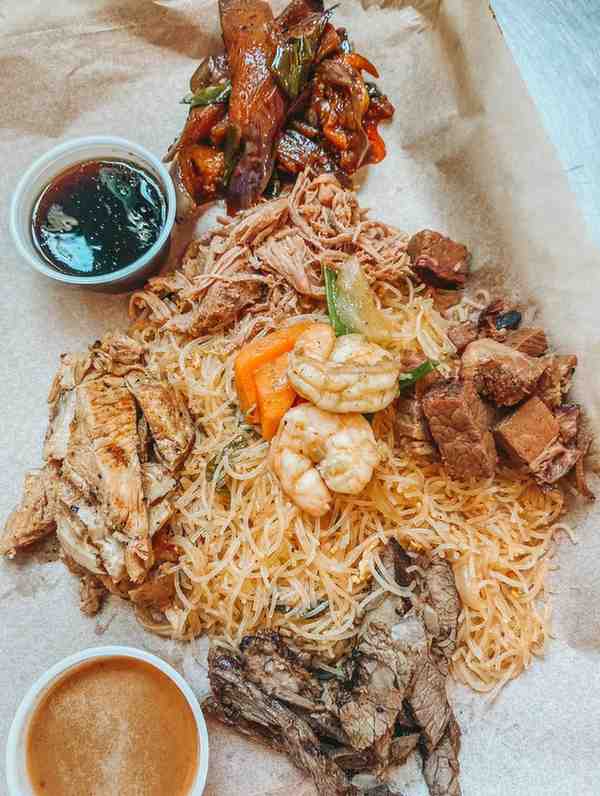
At Lona’s LiL Eats, for example, you can build a customized giant rice paper wrap or plate using gut-friendly bases like jasmine rice or glass noodles, paired with lean proteins (like grilled chicken or tofu) while skipping heavy onion or garlic triggers.
Foods That May Cause Bloating
While everyone’s gut is different, some foods are more likely than others to cause bloating or an irritated stomach, especially if you eat a lot of them.
Cook Smart, Eat Smart: Cut Back on the Following:
- Sugary drinks, soda.
- Processed snack foods that are high in fat,
- Deep-fried and fatty foods
- Excess alcohol intake
- Sorbitol, an artificial sweetener, and xylitol
- High consumption of red meat
- Highly refined carbohydrate
If you get digestive upset symptoms regularly after eating particular foods, you might be able to spot the culprits by keeping a food diary. Talk to your healthcare provider or a registered dietitian if symptoms persist.
A Simple One-Day Gut-Friendly Meal Plan
Eating for better digestion doesn’t have to be bland. Here is a small sample of a day of balanced meals that cater to the gut.
Breakfast
- Greek yogurt topped with blueberries, chia seeds, and oats
- A glass of water or a cup of unsweetened herbal tea
Mid-Morning Snack
- A banana with some almonds
Lunch
- Chicken breast grilled with quinoa, roasted veggies, and side salad
Afternoon Snack
- Apple slices and a couple of tablespoons of natural peanut butter
Dinner
- Baked salmon with brown rice and broccoli (steamed)
Evening Drink
- Ginger or peppermint tea
This well-rounded recipe delivers fiber, lean protein, healthy fat, and probiotics to fuel digestion all day long.
Healthy Habits That Support Better Digestion
Food is just one factor in keeping the digestive system healthy. These basic everyday habits can accumulate into great rewards:
Stay Hydrated
Water promotes defecation, nutrient absorption, and digestion.
Eat Slowly
Eating too fast can also lead to indigestion and bloating due to swallowing more air.
Add Exercise to Your Day.
Even a mild walk after eating for 20-30 minutes helps to aid digestion.
Manage Stress
There is an intimate connection of the brain and gut. Stress can aggravate digestive symptoms, so taking time to relax, for example, through walks, deep breathing, or meditation, can be helpful.
Get Your Sleep
Adults are encouraged to obtain 7-9 hours of quality sleep each night, and poor sleep has been linked to changes to gut microbes and digestive health.
Enjoy Gut-Friendly Meals at Lona’s Lil Eats
When it comes to eating out, you don’t need to sacrifice your gut health. At Lona’s Lil Eats, everything is cooked fresh with real food ingredients that can easily be folded into a balanced way of life. Whether you’re after lean proteins, fresh vegetables, whole grains, or lighter meals, opting for nutrient-dense options can support your digestive health goals without breaking the flavor bank.
Browse our menu for great-tasting dishes created with the finest ingredients, or get in touch if you have any dietary requirements or questions about what we offer.
Conclusion
Learning to support digestion starts on a day-to-day basis. A diet high in fruits, vegetables, bulk fiber, probiotics, lean protein, and adequate fluids can help reduce bloating and promote a healthy gut.
Following a balanced gut health food list doesn’t require complicated diets or expensive supplements. Instead, understand that starting with fresh variety, consistency, and minimally processed foods will benefit your body from the inside out.
Small changes to your gut health, such as eating more fiber, drinking enough water, eating mindfully, and choosing gut-friendly meals, have the potential to deliver long-lasting benefits for digestion and overall health. To create fresh and delicious meals you can include in your healthy meal plan, visit Lona’s Lil Eats and select from healthy eating options that you are sure to feel good about.
FAQ’s
Q1. What are the best foods for gut health?
Ans: Some of the best foods for gut health include yogurt with live cultures, kefir, oats, bananas, leafy greens, berries, whole grains, beans, fermented vegetables, and lean proteins. These foods provide fiber, probiotics, and essential nutrients that support a healthy gut microbiome.
Q2. What foods help reduce bloating quickly?
Ans: Foods such as ginger, peppermint, bananas, cucumbers, yogurt with probiotics, and papaya may help reduce occasional bloating. Drinking plenty of water and avoiding carbonated beverages can also ease digestive discomfort.
Q3. What is a healthy gut health food list?
A balanced gut health food list includes the following:
- Leafy green vegetables
- Whole grains
- Greek yogurt
- Kefir
- Kimchi
- Sauerkraut
- Blueberries
- Apples
- Bananas
- Salmon
- Oats
- Quinoa
- Nuts and seeds
- Beans and lentils (if tolerated)
Including a variety of these foods helps support beneficial gut bacteria and healthy digestion.
Q4. What foods should I avoid for better digestion?
Ans: To reduce bloating and digestive discomfort, consider limiting fried foods, heavily processed snacks, sugary drinks, excessive alcohol, refined carbohydrates, and artificial sweeteners if they trigger symptoms.
Q5. How long does it take to improve gut health?
Ans: Many people notice improvements in digestion within a few weeks of consistently eating a fiber-rich, balanced diet. However, building a healthier gut microbiome is an ongoing process that benefits from long-term healthy eating habits and lifestyle choices.
Q6. Is yogurt good for gut health?
Ans: Yes. Yogurt containing live and active cultures is an excellent source of probiotics that help support healthy gut bacteria. Choose varieties with little or no added sugar for the greatest nutritional benefit.