
Great Asian cooking is rarely about putting as many ingredients as possible into one dish. Rather, many of the best delights of the corner come with a sense of balance: salty and sweet, rich and acidic, spicy and cooling, tender and crisp. Knowing these connections will assist you in developing tastier recipes, whether it be an old recipe or an original one.
The food pairing principles Asian cuisine uses can vary significantly between countries and regions, but the underlying idea is often the same: ingredients should complement, contrast, and enhance one another. Any of these foods can be an accent or the main star, depending on the dish.
At Lona’s Lil Eats, exploring these combinations is a reminder that good food is not only about individual ingredients. It’s also a matter of taste, smell, and consistency.
What Are Food Pairing Principles?
Food pairing is the science of combining ingredients that have a shared flavor or aroma compound. But it’s not just about whether two ingredients taste good separately; it’s about how they taste together.
For instance, a tangy ingredient like lime juice works well with a fatty, coconut-based curry since the acid helps to cut through the fat. Cooling cucumber can balance a spicy meal. Starchy fried food gets a boost from something fresh and acidic, such as a salad or chutney.
These rules for matching signatures of flavor can translate cross-culturally, but Asian cuisine is especially fun to play with because it makes such widespread use of fermented foods, fresh herbs, lots and lots of aromatic spices, chili, citrus, seafood, noodles, and, of course, rice.
What Makes Asian Food Pairings Work So Well?
Asian cuisines are incredibly diverse, so there is no single formula for pairing ingredients across the entire continent. Japanese, Chinese, Korean, Thai, Vietnamese, Indian, Filipino, and Indonesian cooking each have their own traditions and flavor structures.
However, several recurring concepts can help explain why certain combinations work.
1. Balance Richness With Acidity
Fat and richness can make food satisfying, but too much richness can make a dish feel heavy. Acidic components add contrast and refresh the palate. Examples of such common ones include:
- Lime in coconut-based dishes
- Rice vinegar in fried food
- Tamarind in rich curries
- Pickled vegetables with grilled meats
- Yuzu or other citrus with fatty fish
Consider a decadently rich pork dish alongside pickled vegetables. The pork has a savory richness; the acidity and crispness of the vegetables offer contrast. This is one of the most useful food pairing principles Asian cuisine can teach home cooks: a contrasting flavor does not need to overpower the main ingredient. It simply needs to provide enough brightness to keep each bite interesting.
2. Build Umami With Layers
Umami is said to be savory and intensely satisfying. Asian cuisine features many items that innately provide or can be used to augment the umami flavor.
Such as:
- Soy sauce
- Miso
- Fish sauce
- Oyster sauce
- Dried mushrooms
- Seaweed
- Fermented bean products
- Dashi
- Certain fermented or aged products
Instead of depending on one source for all savory flavor, chefs can stack more than one umami source.
For example, you can throw mushrooms into a stir-fry for earthy depth and soy sauce for salt and umami. You can add the aroma of sesame oil without overwhelming the dish with the flavor of sesame oil.
The secret is balance. More umami ingredients do not necessarily make a dish better. A delicate ingredient, a subtle dish can be overshadowed by too much salty and/or fermented seasoning.
3. Use Sweetness to Balance Heat and Salt
Sweetness is a key secondary note in many types of Asian cuisine. It mellows heat from chilies, balances salty components, and rounds off strong flavors.
Typical sweeteners are the following:
- Palm sugar
- Brown sugar
- Honey
- Mirin
- Sweet soy sauce
- Coconut milk
- Naturally sweet vegetables
There are lots of other examples of Thai food balancing sweet, sour, salty and spicy. Korean cuisine also incorporates sweet flavors in the sauces and marinades, but Chinese cuisine tends to marry sweet with savory and fragrant.
A bit of sweetness can just make a salty, sour, or spicy taste feel more well-rounded.
4. Pair Heat With Cooling Ingredients
Chili produces heat, but a meal is more fun to eat if that heat has a counterpoint. Cooling, or refreshing, ingredients may be one or more of the following:
- Cucumber
- Fresh herbs
- Coconut milk
- Yogurt
- Lettuce
- Fresh vegetables
- Citrus
- Mild pickles
For instance, spicy noodles are topped with fresh herbs and crisp vegetables. A hot curry may be counterbalanced by a cooling chutney.
That yin and yang brings a more engaging eating experience since your palate is shifting between the heat and brightness.
5. Think About Texture, Not Just Taste
One of the most overlooked aspects of food pairing is texture.
A dish can have excellent flavor but still feel monotonous if every component has the same texture. Asian meals frequently create contrast through combinations such as the following:
- Crispy and soft
- Crunchy and tender
- Chewy and silky
- Fresh and creamy
- Fried and steamed
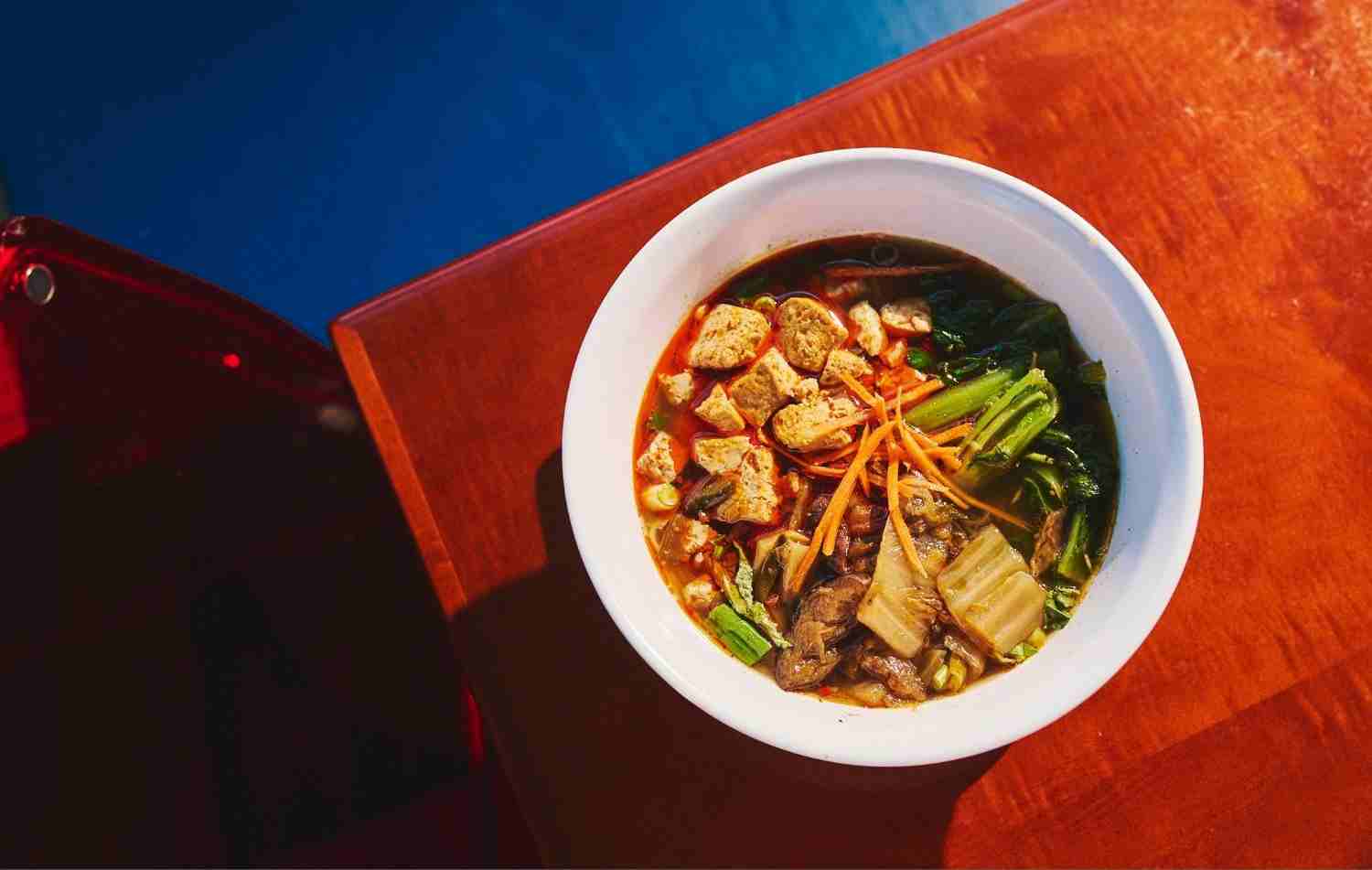
Consider a bowl of noodles. Soft noodles become more interesting when combined with crunchy vegetables, roasted peanuts, crispy shallots, or fresh herbs.
Texture also affects how quickly flavors are released while eating. A crunchy topping may provide an immediate burst of flavor, while a tender ingredient carries seasoning throughout the bite.
6. Match Aromatics With the Main Ingredient
Aromatics provide much of the distinctive character of Asian cooking.
Ginger, garlic, scallions, lemongrass, galangal, coriander, basil, curry leaves, and sesame can transform otherwise simple ingredients.
The best pairing depends on the ingredient being cooked.
Seafood
Light seafood often pairs well with bright aromatics like ginger, scallions, citrus, and fresh herbs.
Chicken
Chicken is also relatively flexible when it comes to stronger flavors, such as garlic, ginger, soy sauce, chili, lemongrass, and five-spice-like seasoning.
Beef
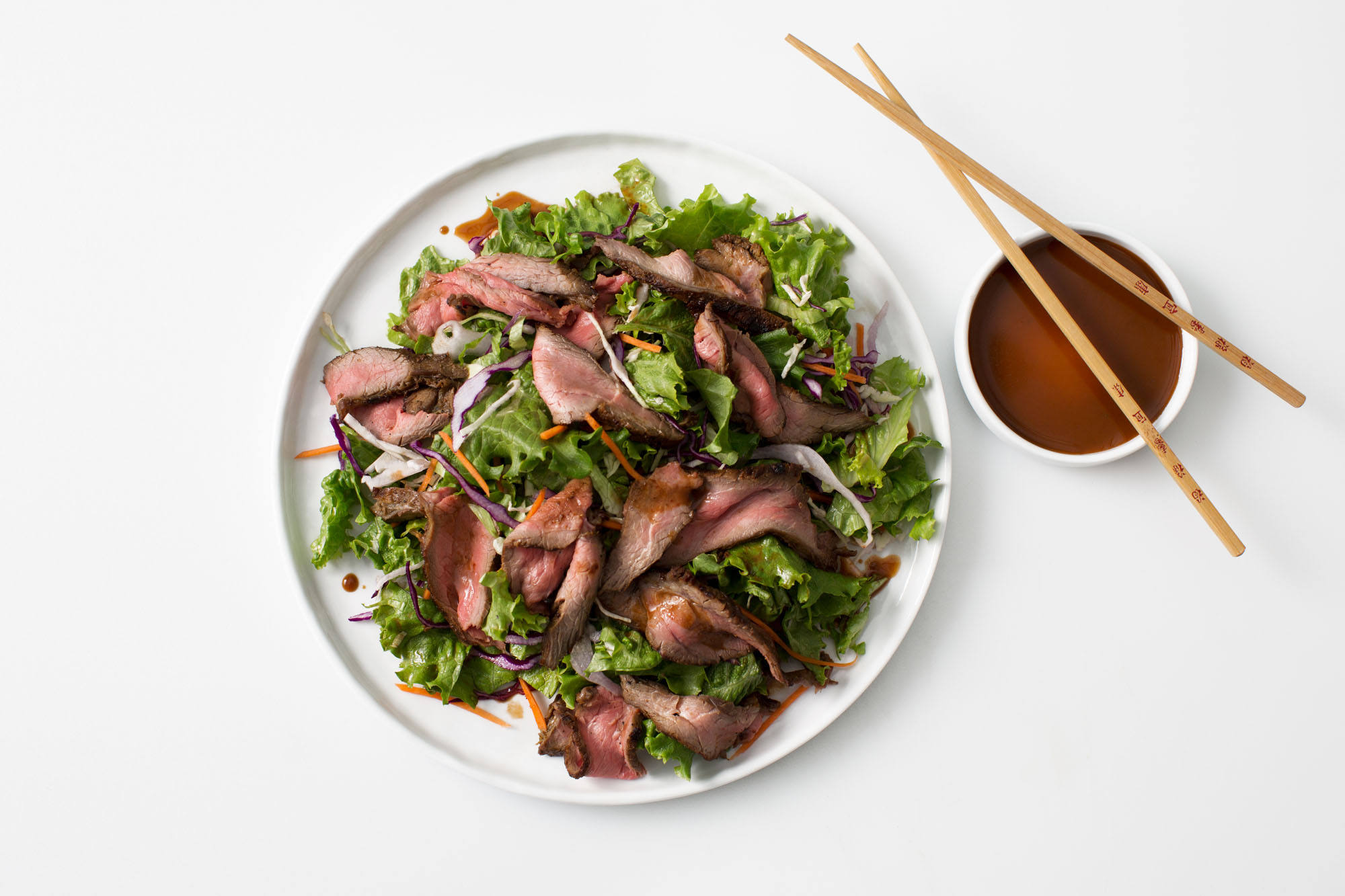
Hearty beef can handle robust flavors such as garlic, black pepper, fermented sauces, chilli, and ginger.
Tofu
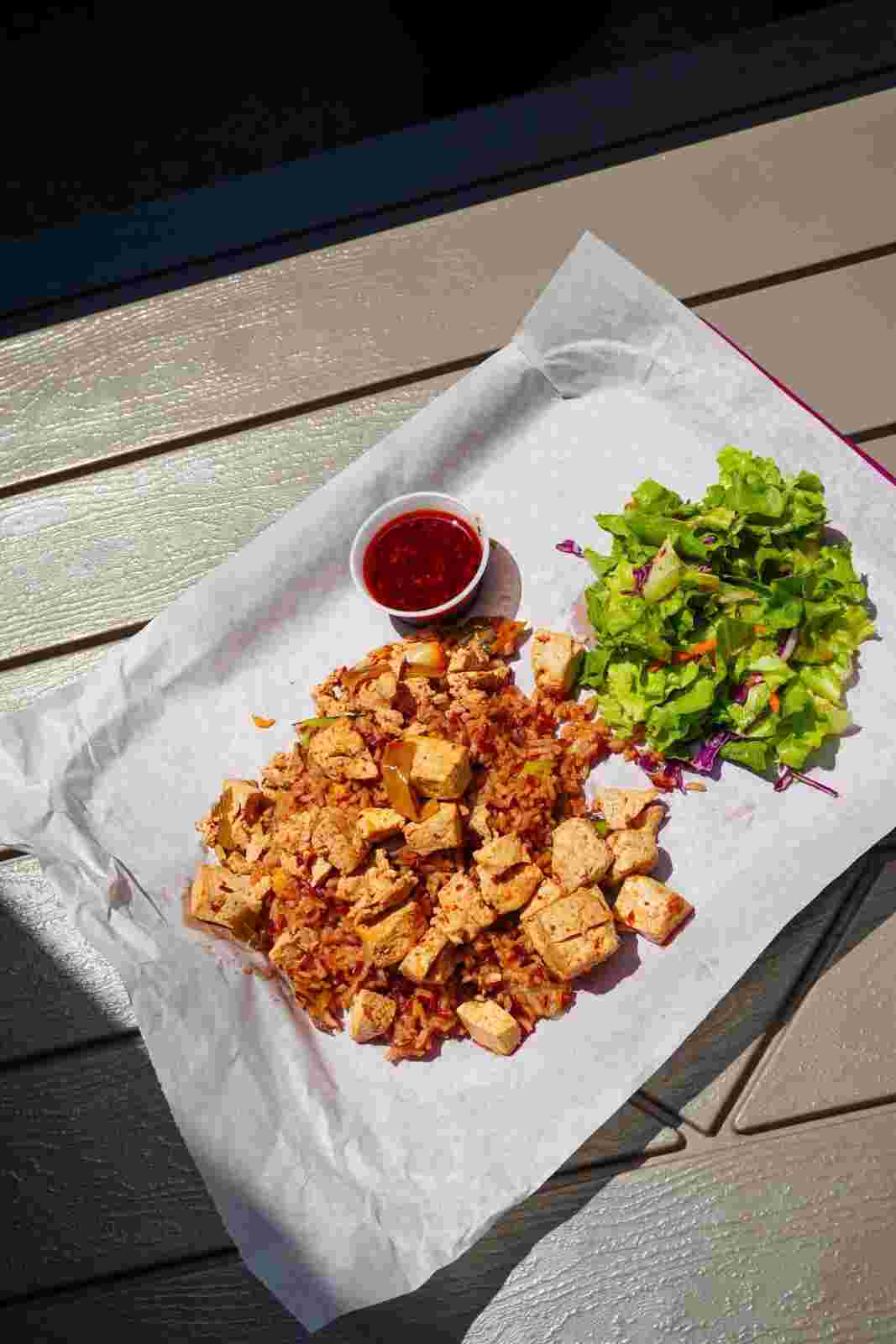
Since tofu has a fairly neutral taste, it can be especially good with marinades and fragrant sauces. Crispy tofu served with an intensely flavored sauce is a classic example of contrast.
7. Pair Ingredients From the Same Flavor Family
Ingredients in the same category sometimes complement each other because they share some of the same aroma or flavor molecules.
As an example, sesame, soy, and ginger all contribute to a unified savory flavor profile. Coconut and lime can yield a pairing that’s at once lush and zesty. Garlic and chili can offer warmth and depth without a fussed-over sauce.
That doesn’t mean every ingredient needs to taste the same. It’s just that a few common flavor notes in a dish can give the dish a sense of coherence.
A good rule of thumb is to select one dominant flavor, one supporting flavor, and one contrasting flavor.
For example:
Dominant: grilled chicken
Supporting: lemongrass and garlic
Contrast: lime and fresh herbs
This gives the dish a clear flavor direction without adding unnecessary ingredients.
8. Consider Regional Pairings
Asian food is not one taste profile. Knowing local customs makes pairings a lot better.
Thai cuisine
Thai dishes usually feature a combination of contrasting sweet, sour, salty, spicy, and aromatic tastes. Lime, chili, fish sauce, herbs, and sugar are common ingredients that are mixed together in the food to achieve a certain balance.
Japanese cuisine
Japanese food is also known for umami, with subtly seasoned and high-quality ingredients. Dashi, soy sauce, miso, rice vinegar, seaweed, and subtle aromatics can be combined in a way that doesn’t distract from the main ingredient.
Korean cuisine
Korean cuisine is known for the combination of fermented, spicy, salty, and sweet flavors. Depth can be achieved with gochujang, doenjang, sesame, garlic, and fermented vegetables.
Vietnamese cuisine
Freshness is a hallmark of many Vietnamese meals. Herbs, vegetables, citrus, fish sauce, and chili can all be served in contrast with grilled meats, noodles, or rich stock.
Chinese cuisine
China has a large number of local cuisines; as a result, local flavor combinations can be quite different. For example, Sichuan cuisine is famous for its strong chili and
Sichuan peppercorn taste, while the quality of ingredients and lighter seasoning are more emphasized in Cantonese cuisine.
Understanding these distinctions helps avoid the common error of assuming all Asian products are the same.
How Can You Apply Food Pairing Principles at Home?
You do not need to memorize complicated culinary rules to start pairing ingredients more effectively.
Begin with the main ingredient and ask five questions:
What is its dominant flavor?
Is it mild, rich, salty, sweet, earthy, or strongly aromatic?
Does it need acidity?
If it feels heavy, citrus, vinegar, or pickled vegetables may provide balance.
Does it need freshness?
Fresh herbs, cucumber, scallions, or raw vegetables can lighten a rich dish.
Does it need texture?
Add something crispy or crunchy if the main components are soft.
Does it need more depth?
Fermented ingredients, mushrooms, stock, or carefully selected sauces can add savory complexity.
This approach allows you to make thoughtful substitutions without losing the basic balance of a dish.
A Simple Asian Food Pairing Formula
When making a meal out of whole ingredients, I follow this simple formula of five steps:
- Pick a main ingredient: chicken, tofu, fish, beef, mushrooms, or vegetables.
- Add an Aromatic: garlic, ginger, lemongrass, scallion, and herbs.
- Select a savory component: soy sauce, miso, fish sauce, or another appropriate seasoning.
- Provide Contrast: lime, vinegar, pickles, chili, or something fresh.
- Garnish with texture: sesame seeds, peanuts, fried onions, fried garlic, or fresh vegetables.
You do not need all five components in every dish. The formula is simply a way to identify what may be missing.
Common Food Pairing Mistakes to Avoid
It is common for even quality components to yield a dish with off-flavors when they are misapplied.
Overuse of strong flavours
Garlic, chili, fish sauce, fermented sauces, and spices can all be very powerful. Having two (or more) at full power will tend to result in a confused rather than complex dish.
Disregard for acidity
Rich sauces often require some acidity to stop them from running too heavy.
Everything is softened
Noodles, rice, tofu, and cooked veg can make for a nice dish, but introducing a crunchy element can take the whole thing up several notches.
Using sauces without considering salt
Soy sauce, fish sauce, miso, and other fermented products can be very high in salt. Taste as you cook instead of dumping a few salty ingredients in all at once.
Confusing authenticity with rigid rules
Classic recipes serve as useful guidelines, but home cooks can be flexible with ingredients and alterations to taste. Knowing what each ingredient does in a recipe is more important than just memorizing a list of substitutions.
Why Food Pairing Matters at Lona’s Lil Eats
At Lona’s Lil Eats, the notion of Asian fusion food derives from the way the ingredients play off one another, rather than any one taste. A satisfying dish can be savory and fresh, spicy and sweet, or rich.
Understanding food pairing principles Asian cuisine uses can help you appreciate why these combinations work and inspire you to experiment in your own kitchen.
Noodles, rice dishes, dumplings, grilled meats, vegetables, and soups: When cooking them all, think about balance. The perfect pairing doesn’t have to be elaborate; all it needs to do is give each ingredient a role.
Final Thoughts
The best Asian food pairings focus on balance, contrast, and harmony. Acidity can cut through richness, sweetness can mellow heat, umami adds a layer of complexity, fresh herbs can brighten heavier fare, and textural contrasts can make every bite a little more fun.
The most useful food pairing principles Asian cuisine offers are not strict formulas. These are just practical tools to help you see how ingredients talk to one another. When you understand how to tell what a dish is lacking—brightness, savoriness, freshness, heat, or crunch – you’ll be able to make better pairing choices and bring a little more depth and balance to your meals.
FAQs
Q1. What are the core food pairing principles in Asian cuisine?
Ans: Asian food pairing relies on five main principles: flavor contrast, flavor harmony, textural variety, temperature balance, and Yin/Yang energy balance. Flavor contrast pairs opposing tastes, such as sweet palm sugar cutting through sour tamarind in Thai cooking. Flavor harmony builds depth by layering glutamate-rich umami ingredients like soy sauce, miso, fish sauce, and mushrooms. Textural variety combines soft bases with crunchy top notes, while thermal and energy balance pairs heating ingredients like ginger or chili with cooling elements like cucumber or tofu.
Q2. What flavor combinations pair best in Asian cooking?
Ans: The most successful flavor combinations pair a rich or savory base with bright, aromatic counter-elements. Soy sauce pairs naturally with ginger, garlic, and toasted sesame oil for classic dipping sauces and stir-fries. Rich coconut milk blends seamlessly with bright lime, fragrant lemongrass, and sharp chili in curries. Deep umami bases like miso and fish sauce match exceptionally well with shiitake mushrooms and dashi broth, while spicy chili pastes are frequently balanced with sweet honey and crisp rice vinegar.
Q3. How do you balance and pair spicy Asian dishes?
Ans: To tame and balance intense heat in spicy Asian food, you should pair capsaicin-heavy dishes with fats, acidity, mild sweetness, or cooling produce. Coconut milk, milk fats, and yogurt coat the palate and neutralize spice. A squeeze of fresh lime juice or rice vinegar cuts through heavy chili oil, while a touch of palm sugar or honey softens the sharp bite. Serving fresh mint, cilantro, crisp cucumber slices, or pickled daikon alongside spicy dishes provides instant cooling contrast.
Q4. Why is texture so important in Asian food pairing?
Ans: Texture prevents palatal fatigue and creates a complete dining experience by contrasting different mouthfeel sensations within the same meal. Soft starches like steamed rice, tender noodles, and silken tofu are elevated when topped with crispy fried shallots, roasted peanuts, or raw bean sprouts. Tender meats and delicate fish benefit from being served alongside firm, crunchy pickled vegetables, ensuring every bite offers both comfort and crunch.
Q5. How can beginners start using Asian food pairing principles at home?
Ans: Beginners can build balanced dishes at home by combining five fundamental elements into any meal: a main base, fresh aromatics, a savory seasoning, a bright acid, and a crunchy topping. Start with a neutral base like rice or noodles, cook it with garlic and ginger, season it with soy sauce or miso, and finish with a squeeze of lime juice and toasted sesame seeds. If a finished dish tastes flat, adding a splash of vinegar or a tiny pinch of sugar often brings the overall flavor profile into harmony faster than adding extra salt.