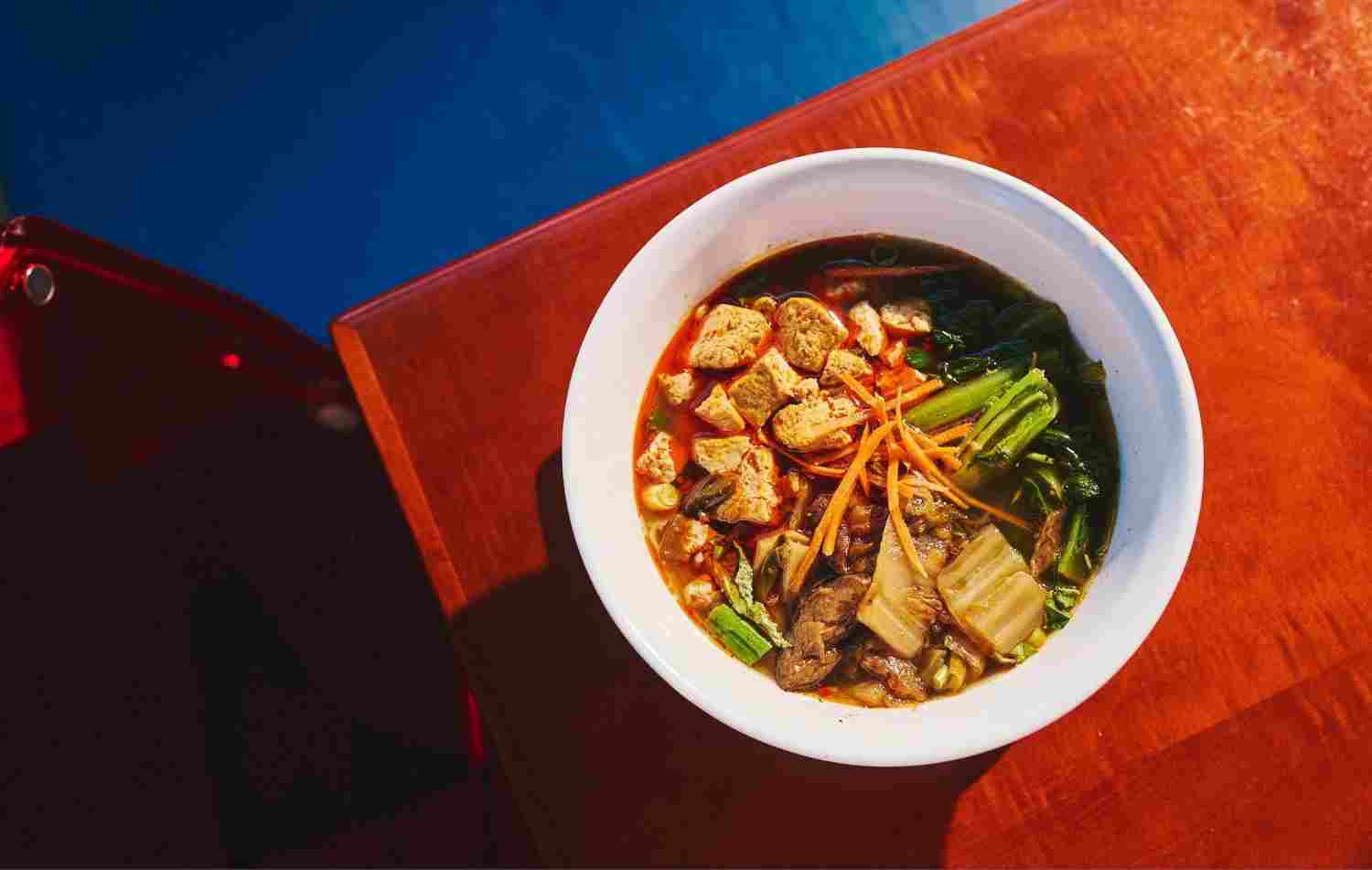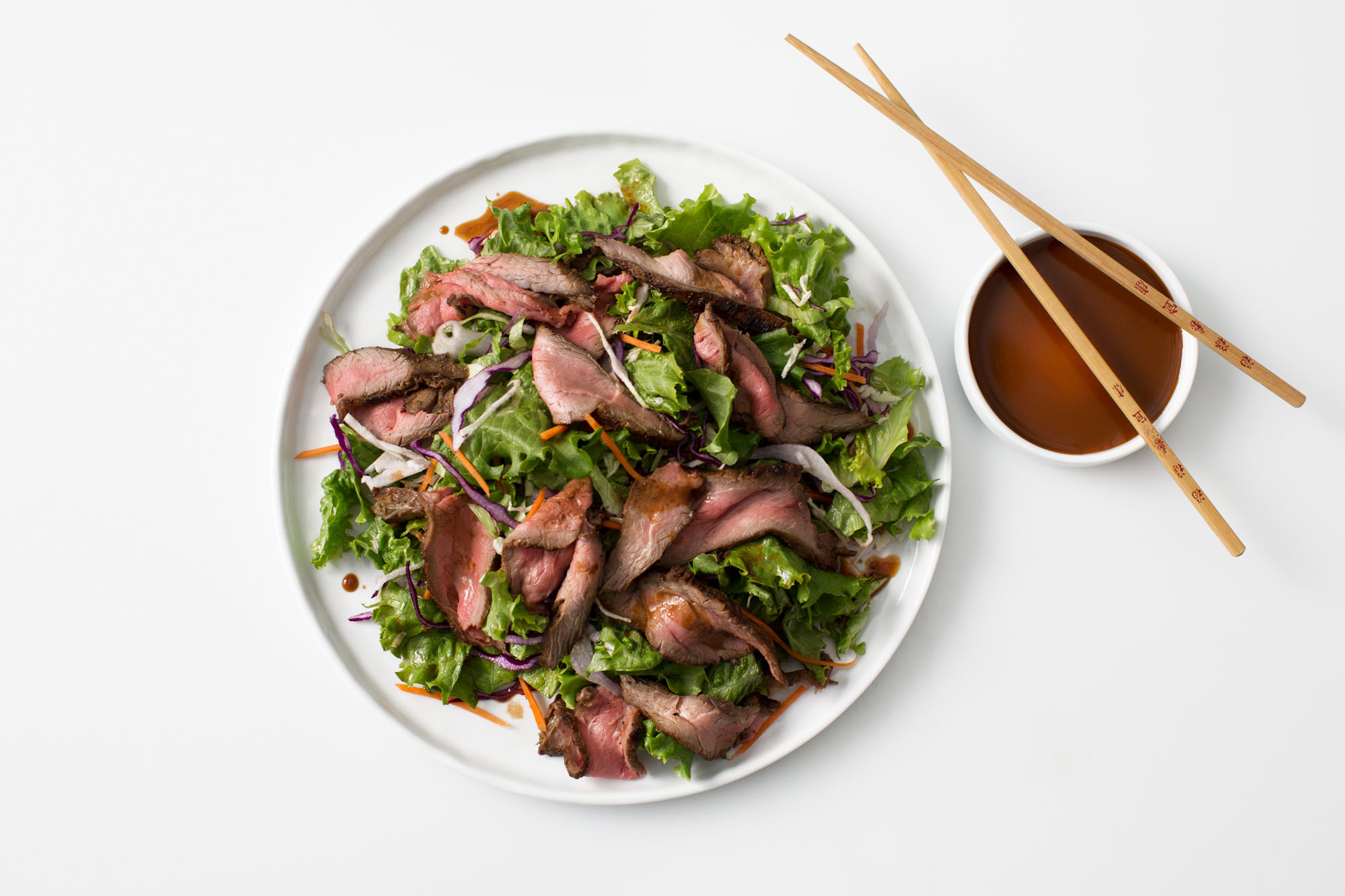
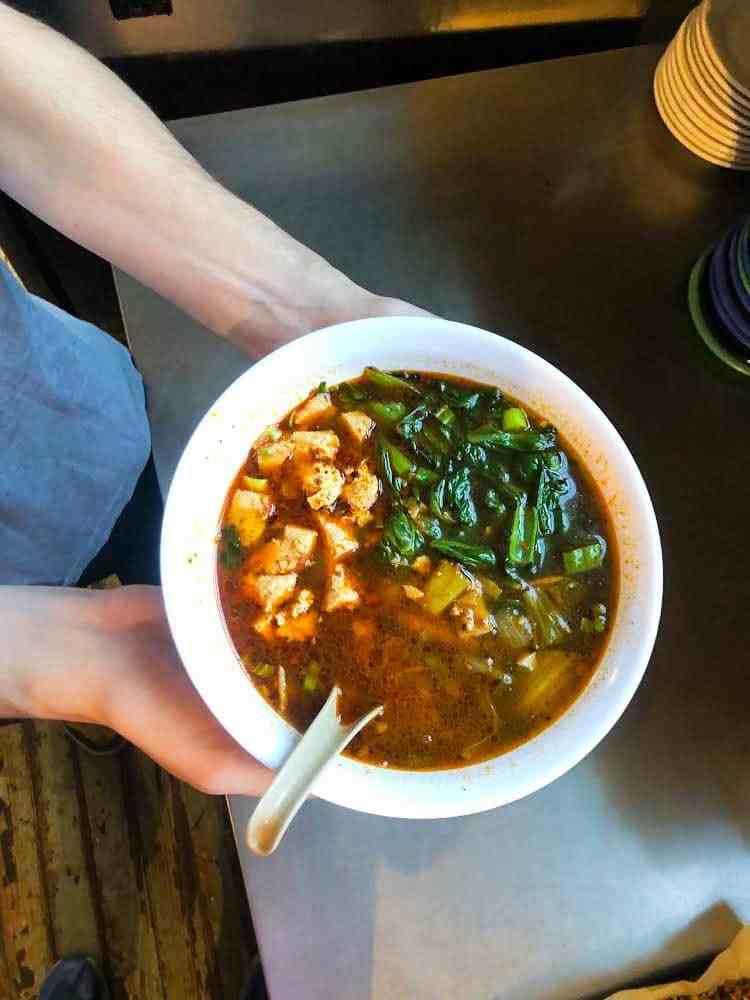
It is absolutely possible to have high protein vegetarian meals if you are aware of the vegetables that truly contain protein in each meal and not simply the “healthy” tag on the box. To put it shortly, eating meals based on legumes, tofu, tempeh, edamame, and grains provides the same satisfaction as an average meat meal.
This article covers which vegetables are the most nutritious in terms of protein content, how much protein a vegetarian meal should provide, and 12 high-protein vegetarian dinners. If you are looking for easy vegetarian high protein meals or vegetarian high protein recipes you will find your answers here.
Why “High Protein” Matters for Vegetarian Meals
The consumption of protein affects your sense of satiety directly, and that is precisely why vegetarian dishes often have the reputation of making you feel hungry just one hour after consuming them. This is not because a vegetarian diet does not provide the needed amount of protein but because most vegetarian diets are centered around vegetables and refined carbs alone.
Proteins help slow down digestion as well as stabilize blood sugar levels more efficiently than carbohydrates, and this is why a dish based on beans or soy products will make you feel more full than a meal based on simple rice and cooked vegetables. This is precisely the whole trick to making vegetarian dishes high in protein yet satisfying at the same time.
Which Vegetables Are Highest in Protein? The Real Numbers
This is one of the most common questions people ask, and the honest answer is that whole vegetables alone rarely reach truly high protein levels. Legumes, technically vegetables in the culinary sense, are where the real protein numbers show up.
| Food (per 100g cooked) | Protein | % of Calories from Protein |
| Soybeans | 18.2g | 42% |
| Lentils | 9.0g | 32% |
| Black beans | 8.9g | 27% |
| Garbanzo beans (chickpeas) | 8.9g | 22% |
| Pinto beans | 9.0g | 25% |
| Green peas | 5.4g | 26% |
Soybeans, based on the protein content comparison between the most common legumes and utilizing data from the USDA FoodData Central, have a unique edge in terms of protein content and percentage of protein energy density among other legumes; however, lentils, black beans, and chickpeas, in their turn, also have high protein vegetable content. The Edamame plant, consisting of young unripe soybeans, holds this benefit and is among the only vegetarian plants that can serve as complete proteins.
High Protein Vegetables Beyond Legumes
Despite being number one in terms of protein content, there are some other vegetables that pack a nutritional punch despite being low on protein.
- Peas: A good choice because of its high protein content, which makes up for its quantity.
- Corn: Low protein content; however, is good when eaten along with beans.
- Spinach and broccoli: Have lower protein content, yet provide a good amount of protein when consumed in large amounts with other protein-rich vegetables.
Complete vs. Incomplete Proteins: Why This Distinction Matters
It’s likely you’ve encountered the notions of “complete” and “incomplete” protein during your research on vegetarian nutrition, and knowing the distinction is actually quite useful in your food preparation. Complete protein sources provide all nine essential amino acids which your body cannot synthesize itself, whereas incomplete protein sources lack at least one essential amino acid.
There aren’t too many plant foods that can be classified as complete protein sources by themselves – they include soy and soy products such as tofu, tempeh and edamame, as well as quinoa and buckwheat.
Most of the other legumes such as lentils, chickpeas and black beans are incomplete as they do not contain enough of one of the amino acids, namely methionine. But this doesn’t make them any less nutritious – a combination of any legumes with any grains such as rice, corn and wheat will fill the deficit throughout the day. That is why rice and beans, hummus and pita bread are classic and proven combinations in different cuisines around the world.
How Much Protein Do You Actually Need in a Vegetarian Diet?
Knowing what your true target is removes much of the mystery when it comes to diet planning. According to a 2026 update to the official Dietary Guidelines for Americans, noted by scientists from the Stanford Medicine team, the recommended range for protein consumption went from 0.8 grams per kilogram of body weight to 1.2 to 1.6 grams per kilogram due to new knowledge on how certain foods affect the body’s well-being, not deficiency.
For a person weighing 150 pounds, this means approximately 82 to 109 grams of protein a day. For vegetarians, achieving this level is quite possible, but it involves incorporating a proper protein into the majority of their meals.
12 High Protein Vegetarian Meals That Actually Fill You Up
Here are 12 genuinely satisfying vegetarian recipes high protein enough to keep you full for hours, organized by the protein source doing the heavy lifting.
Tofu and Soy-Based Meals
- Tofu and vegetable rice paper wraps with peanut sauce, packing in complete protein from both the tofu and the peanuts.
- Edamame fried rice with scrambled egg or extra tofu, using edamame as the primary protein anchor.
- Miso soup with soft tofu and mushrooms, a lighter option that still delivers a meaningful protein boost.
Legume-Based Meals
- Chickpea curry over rice, simmered with vegetables and warming spices for a filling, protein-rich bowl.
- Black bean and rice power bowl, topped with avocado and salsa for a satisfying, balanced plate.
- Red lentil soup, naturally thick and hearty thanks to the lentils’ high protein and fiber content.
- Hummus and roasted vegetable wrap, using chickpea-based hummus as both spread and protein source.
Grain and Mixed Protein Meals
- Quinoa and black bean salad, combining a complete-protein grain with a protein-rich legume for double impact.
- Peanut noodle bowl with edamame and shredded vegetables, delivering protein from both the peanuts and the edamame.
- Vegetable dumplings with a soy dipping sauce, especially satisfying when paired with a side of edamame for extra protein.
Egg and Dairy-Based Vegetarian Meals
- Vegetable and cheese egg bake, a straightforward, protein-dense option for vegetarians who eat eggs and dairy.
- Greek yogurt bowl with nuts and seeds, a simple, high protein option that works well as a lighter dinner or hearty breakfast.
High Protein Easy Vegetarian Meals for Busy Weeknights
All high protein meals don’t require a lengthy list of ingredients or preparation. There are just a few really easy shortcuts that can help out tremendously when preparing meals during the week.
Quick & Easy High Protein Shortcuts:
- Always have some canned and cooked lentils or chickpeas on hand to throw into any soup, salad, or grain bowl.
- Purchase pressed or extra-firm tofu for easy preparation.
- Keep some frozen edamame on hand for an easy protein booster to add to stir-fry or rice bowls, or even eat alone as a snack.
- Precook a basic grain, such as quinoa or brown rice, ahead of time at the beginning of the week.
- Always keep some peanut or almond butter handy for a quick sauce/dressing base.
High Protein Vegetarian Dinner Ideas When Eating Out
Going out for food need not disrupt a high protein vegetarian eating regime, particularly if one visits restaurants which feature dishes made from fresh veggies, beans, and other Asian flavors such as tofu, edamame, and peanuts.
Our menu at Lona’s Lil Eats is designed with exactly that sort of versatility in mind, featuring vegan, vegetarian, and gluten-free dishes among others, including our specialty rice paper rolls.
Opting for a roll or rice bowl featuring any one of these ingredients is a simple and effective method of making your restaurant experience a high protein vegetarian dining experience rather than one high on carbs. Our take away and dine-in menu will allow you to view all of the different choices available before you arrive at our restaurant.
Common Mistakes People Make With High Protein Vegetarian Diet Recipes
A few recurring mistakes keep otherwise well-intentioned vegetarian meals from actually delivering enough protein.
| Mistake | Why It’s a Problem | Better Approach |
| Treating vegetables alone as a protein source | Most vegetables contain only small amounts of protein | Build meals around legumes, tofu, tempeh, or eggs and dairy if included |
| Skipping protein at breakfast | Sets up hunger and low energy earlier in the day | Include eggs, yogurt, or a protein-rich smoothie in the morning |
| Relying on cheese as the main protein source | Often adds more saturated fat than protein value | Balance dairy with plant proteins like beans or tofu |
| Assuming all plant proteins are “complete” on their own | Some, like most legumes, lack certain amino acids individually | Pair legumes with grains like rice or quinoa for a fuller amino acid profile |
| Underestimating portion sizes | A small side of beans rarely meets a full meal’s protein needs | Make legumes, tofu, or eggs the meal’s central component, not an afterthought |
Best Practices for Building a High Protein Vegetarian Diet
A Simple Planning Checklist
- Use one protein per main meal, whether legumes, tofu, tempeh, or eggs.
- Combine legumes and whole grains in order to get the complete amino acid complement.
- Maintain stocks of protein foods such as canned legumes, tofu, and nut butters for easy and effortless meals.
- Monitor your protein consumption once in a while to ensure that you are indeed getting the required amount of protein.
- Mix up your sources of protein during the week.
A Sample Day Hitting a High Protein Vegetarian Target
Looking at a full day schedule is what makes the goal seem much more reachable than just having one target of grams. Eating Greek yogurt along with nuts for breakfast will offer about 20 grams of protein. A lunch meal comprising chickpeas and quinoa will give you about 25 to 30 grams.
A snack consisting of edamame and hummus will give you about 10 to 15 grams while a dinner meal based on tofu or lentils will give you about 25 to 30 grams of protein. When added up, such a day will easily meet the updated daily goal of 82 to 109 grams.
How Lona’s Lil Eats Makes High Protein Vegetarian Meals Easy
At Lona’s Lil Eats, our menu was built around genuine inclusion from day one, with vegan, vegetarian, and carnivore options developed side by side rather than as an afterthought. Fresh tofu, edamame, mushrooms, and peanut-based sauces show up throughout our build-your-own wraps, rice bowls, and noodle dishes, giving you real, satisfying protein options without needing to build a meal from scratch yourself.
If you are planning a larger gathering, our catering menu makes it easy to bring these same high protein vegetarian options to a group setting. You can also check our hours and locations across our Fox Park and Kirkwood spots to find the visit that works best for you.
Final Thoughts
Making a high-protein vegetarian meal that fills you is all about having the right combination of anchor foods and combining them correctly, not being afraid of vegetarianism due to possible hunger after. By simply adding some legumes, tofu, and some combinations into your diet, you can be sure that you won’t have to struggle anymore.
Want to eat a high-protein vegetarian meal without the need for meal planning? Visit Lona’s Lil Eats’ menu and find out more delicious and filling vegetarian meals.
FAQs About High Protein Vegetarian Meals
Q1. Which vegetables contain the most protein?
Ans: Soybeans, lentils, black beans, and chickpeas top the list for the vegetable-like plants containing the most protein, and soybeans and edamame are unique among them by providing a complete protein profile.
Q2. Is it possible to eat enough protein without using supplements for vegetarians?
Ans: For the most part, it is possible if meals are constructed around whole foods such as legumes, tofu, tempeh, eggs, and dairy and not vegetables.
Q3. What is an easy high protein vegetarian dinner recipe?
Ans: Rice bowl with edamame, tofu, and peanut sauce is both fast and provides a lot of protein.
Q4. How much protein does one need in a day?
Ans: The recommended intake is 1.2-1.6 grams of protein per kilogram of body weight daily. This translates into about 82-109 grams of protein per day for an individual weighing 150 pounds. This amount can be easily met through a carefully crafted vegetarian diet.
Q5. Are all vegetarian meals always less rich in protein compared to non-vegetarian meals?
Ans: No. With some intention, one can plan a vegetarian meal that is as rich or even richer in protein compared to many non-vegetarian meals.
Q6. How can someone increase their protein intake in their vegetarian meals?
Ans: Pre-cooking legumes, having some ready-made firm tofu, as well as frozen edamame, allows one to easily enrich any vegetarian meal with protein.