
When people think of Chinese food, they usually picture dishes from Sichuan, Cantonese cuisine, or American takeout classics. But tucked away in southwest China is one of the country’s most fascinating food cultures: Yunnan cuisine.
Fresh herbs. Wild mushrooms. Rice noodles. Bright acidity. Smoky spice. Floral ingredients. Fermented flavors.
Yunnan food feels different because it is different.
At Lona’s Lil Eats, many of the bold flavors and fresh ingredients trace back to this culinary tradition. And honestly? That’s part of what makes the food stand out so much in St. Louis.
This guide breaks down:
- What Yunnan cuisine actually is
- its history and regional influences
- famous dishes and street food
- whether it’s spicy or halal-friendly
- Why is Yunnan food becoming more popular in the U.S?
Most articles online only list dishes. This one goes deeper into the culture, flavor philosophy, and techniques behind the cuisine.
What Is Yunnan Style Cuisine?
Yunnan cuisine comes from Yunnan Province, located in southwest China near:
- Myanmar
- Laos
- Vietnam
- Tibet
Because of its geography, Yunnan cuisine developed differently from other Chinese regional cuisines. It blends:
- Han Chinese cooking
- Southeast Asian herbs and spice profiles
- ethnic minority traditions
- mountain agriculture and foraging culture
Yunnan has 25 recognized ethnic minority groups, and their food traditions heavily influence the cuisine.
That’s why Yunnan food often feels:
- lighter
- fresher
- more herb-forward
- more sour and aromatic than many other Chinese cuisines
Yunnan Cuisine History: Why the Food Is So Unique
One major gap in competitor articles is historical context. Most simply list dishes without explaining why the cuisine tastes the way it does.
The Crossroads of Asia
Yunnan historically sat along the Tea Horse Road and Southern Silk Road trade routes. Traders moved through the region carrying:
- tea
- spices
- herbs
- fermentation techniques
- cooking traditions
This created a cuisine shaped by constant cultural exchange.
Over time, Yunnan cooking absorbed influences from:
- Tibetan cuisine
- Burmese cuisine
- Thai and Lao cooking
- Han Chinese methods
That’s why many dishes combine:
- Chinese noodle traditions
- Southeast Asian herbs
- sour broths
- grilled meats
- fermented ingredients
The result is one of China’s most ingredient-driven cuisines.
What Are the Characteristics of Yunnan Cuisine?
This is where Yunnan cuisine really separates itself.
1. Fresh Herbs Everywhere
Yunnan cooking uses herbs more aggressively than many Chinese cuisines.
Common ingredients include:
- mint
- cilantro
- garlic chives
- sawtooth herb
- Thai basil
The flavors feel bright and alive.
2. Mushrooms Are a Huge Deal
Yunnan is famous for wild mushrooms—hundreds of edible varieties grow there. Mushroom season is practically treated like an event.
You’ll find:
- mushroom hot pots
- grilled mushrooms
- mushroom noodle soups
This deep mushroom culture is missing from most competitor blogs, even though it’s central to Yunnan food identity.
3. Sour + Spicy Balance
Unlike Sichuan cuisine, which focuses heavily on numbing spice, Yunnan cuisine often balances:
- sourness
- smokiness
- herbs
- fresh chili heat
Many dishes taste lighter and more layered.
4. Rice Noodles Over Wheat Noodles
Rice noodles are everywhere in Yunnan.
They’re softer, silkier, and work especially well with broth-based dishes.
5. Ingredient-First Cooking
Yunnan cuisine respects ingredient flavor rather than covering it up with heavy sauces.
That philosophy shows up clearly at Lona’s Lil Eats, where dishes feel fresh instead of greasy or overly processed.
What Is Famous Food in Yunnan?
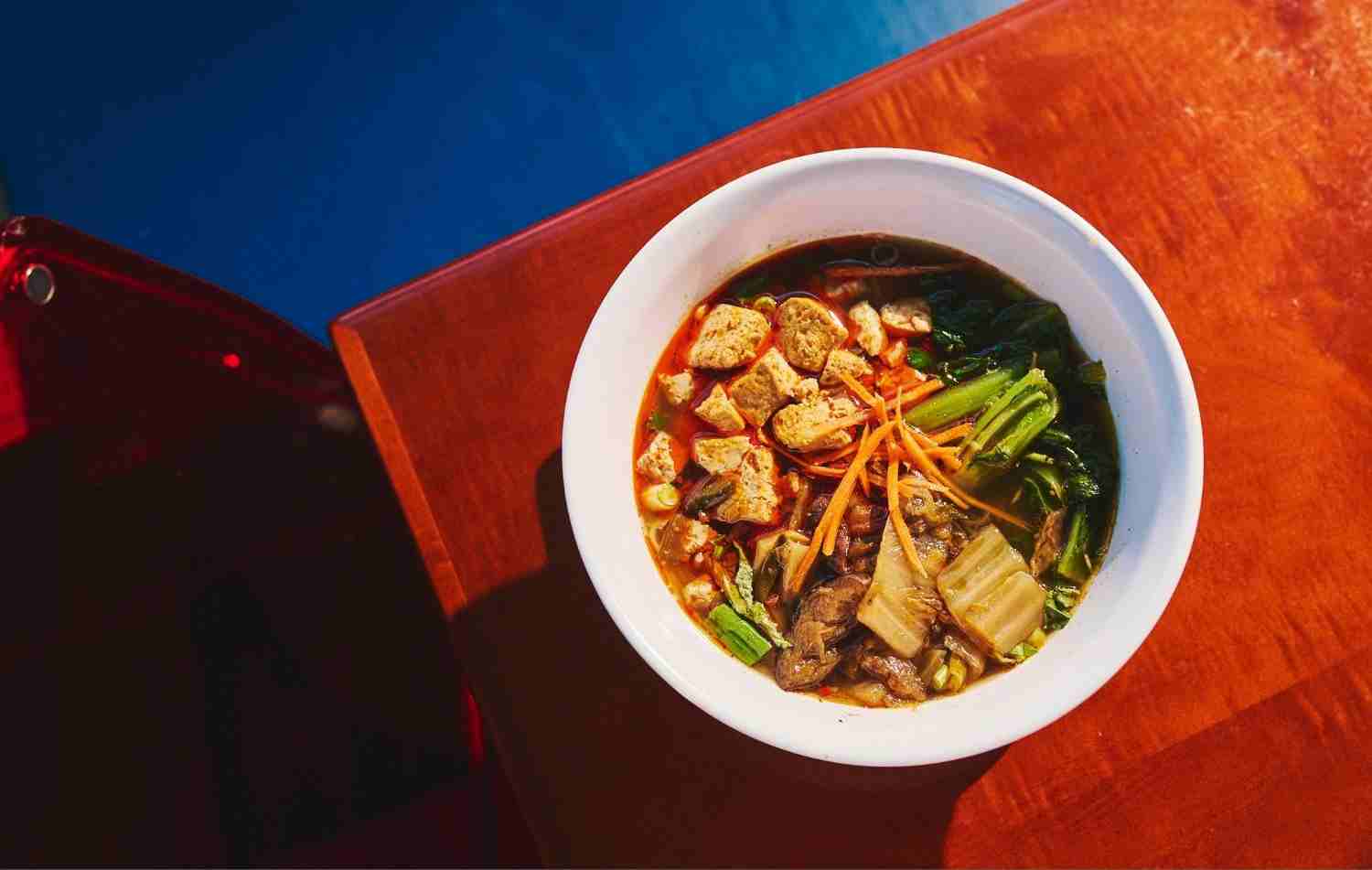
Crossing-the-Bridge Noodles (Guoqiao Mixian)
This is Yunnan’s most famous dish.
The dish includes:
- hot broth
- rice noodles
- meats and vegetables are added tableside
It’s comforting, layered, and deeply connected to Yunnan food culture.
Steam Pot Chicken
A slow-steamed soup dish known for its incredibly clean, delicate flavor. Often cooked in clay pots.
Erkuai (Rice Cakes)
Grilled or stir-fried rice cakes that work almost like bread in Yunnan cuisine.
Yunnan Ham
A cured ham similar in some ways to prosciutto, often used in soups and stir-fries.
Wild Mushroom Hot Pot
One of the most iconic Yunnan dining experiences during the rainy season.
Is Food in Yunnan Spicy?
Yes – but differently spicy. Yunnan food is not usually about extreme heat. Instead, it focuses on:
- aromatic spice
- smoky chili oils
- fresh chili peppers
- sour-and-spicy balance
Compared to Sichuan cuisine:
- less numbing peppercorn heat
- more herb brightness
- more acidity
So if you enjoy:
- Thai food
- Lao flavors
- fresh chili dishes
You’ll probably love Yunnan cuisine.
Yunnan Street Food Culture
Yunnan has one of China’s strongest street food cultures.
Many blogs mention famous dishes, but ignore how important street food is to everyday life there.
Popular Yunnan Street Foods
- grilled erkuai rice cakes
- skewers
- rice noodle soups
- fried potatoes with chili
- grilled cheese-like milk fan snacks
Street food culture in Yunnan is heavily shaped by local markets and minority communities.
The food is:
- fast
- fresh
- heavily seasonal
That market-style freshness is part of what inspired restaurants like Lona’s Lil Eats.
Why Yunnan Cuisine Is Becoming Popular in America
For years, Yunnan food was relatively unknown outside China.
That’s changing quickly.
Food writers and chefs increasingly describe Yunnan cuisine as one of China’s most exciting regional food traditions.
Why?
Because modern diners want:
- fresher ingredients
- customizable meals
- vegetable-forward dishes
- lighter sauces
- regional authenticity
Yunnan cuisine naturally fits those preferences.
Why Yunnan Cuisine Feels So Different From Other Chinese Food
A lot of people try Yunnan food for the first time and immediately notice something: it doesn’t taste like the Chinese takeout they grew up with.
It’s brighter. Fresher. More herb-heavy.
Instead of thick sauces or oily stir-fries, many Yunnan dishes focus on:
- fresh vegetables
- rice noodles
- herbs
- mushrooms
- smoky chili flavors
- sour broths
The food feels lighter but still deeply flavorful.
That’s because Yunnan cuisine developed differently from northern and coastal Chinese cuisines. The region sits near:
- Thailand
- Laos
- Myanmar
- Tibet
So naturally, the flavors absorbed influences from all around it.
You’ll notice:
- Thai-style herbs
- Southeast Asian sourness
- Chinese noodle traditions
- mountain-style preserved ingredients
The result is one of the most layered and unique regional cuisines in China.
The Ethnic Minority Influence Behind Yunnan Cuisine
One thing many blogs skip is how important ethnic minority communities are to Yunnan food culture.
Yunnan is home to more than 25 recognized ethnic minority groups, including:
- Dai
- Bai
- Hui
- Yi
- Hani
- Naxi
Each community contributed ingredients, cooking methods, and flavor traditions.
For example:
- Dai cuisine often uses herbs, sour flavors, and grilled meats
- Hui communities contributed halal cooking traditions, mountain communities developed mushroom-heavy dishes, and preserved foods
This diversity is one reason Yunnan cuisine feels so varied compared to other Chinese regional foods.
Yunnan Cuisine Philosophy: Fresh Ingredients Come First
Many Chinese cuisines are sauce-driven.
Yunnan cuisine is ingredient-driven.
That difference matters.
Instead of covering ingredients with heavy seasoning, Yunnan cooking often highlights:
- freshness
- texture
- natural aroma
A bowl of rice noodles may seem simple at first, but the broth, herbs, oils, and toppings are carefully balanced.
This philosophy also explains why Yunnan cuisine often feels healthier and cleaner than heavier takeout-style meals.
At Lona’s Lil Eats, you can see this influence clearly:
- crisp vegetables
- fresh herbs
- balanced spice
- lighter sauces
- customizable ingredients
The food feels intentional instead of overloaded.
Why Mushrooms Matter So Much in Yunnan
Yunnan has one of the richest wild mushroom ecosystems in the world.
Locals don’t just eat mushrooms occasionally—they celebrate them.
During mushroom season, markets fill with:
- porcini
- matsutake
- morels
- wild chanterelles
- dozens of regional varieties
Many families travel specifically for mushroom hot pots and seasonal dishes.
This strong mushroom culture adds a deep, earthy flavor to Yunnan cuisine that many people don’t expect from Chinese food.
It also reflects the region’s connection to mountains, forests, and local agriculture.
Is Yunnan Food Halal Friendly?
Parts of it are.
Yunnan has a significant Hui Muslim population, and their cooking traditions have shaped many regional dishes.
You’ll find:
- beef noodle soups( But make sure the beef is halal)
- grilled halal meats
- cumin-heavy dishes
At the same time, pork is still widely used across Yunnan cuisine overall.
So while not all Yunnan food is halal, the cuisine includes strong halal influences compared to many other Chinese regions. It is better to ask the owner before ordering a new, unknown dish.
The Emotional Side of Yunnan Food: Why People Connect With It
The best Yunnan dishes feel comforting without being heavy.
A bowl of rice noodles on a cold day. Fresh herbs mixed into spicy broth. Grilled street skewers eaten at busy night markets.
There’s a warmth to the cuisine that people remember.
That emotional connection is part of why travelers often talk about Yunnan food long after their trip ends.
And honestly, it’s part of why restaurants inspired by Yunnan cuisine stand out so much.
The food feels personal.
Yunnan vs Sichuan Cuisine: What’s the Difference?
People often group Yunnan and Sichuan food together because both can be spicy. But once you taste them side by side, the difference becomes obvious.
Sichuan cuisine is bold, heavy, and intense. Yunnan cuisine is fresher, brighter, and more ingredient-focused.
Here’s the easiest way to think about it:
| Yunnan Cuisine | Sichuan Cuisine |
| Fresh herbs | Heavy chili oil |
| Sour + spicy balance | Numbing heat (mala) |
| Rice noodles | Wheat noodles common |
| Light broths | Rich sauces |
| Mushroom-heavy dishes | Peppercorn-heavy dishes |
| Southeast Asian influence | Central Chinese spice traditions |
| Ingredient freshness | Sauce-forward cooking |
Spice Style: Fresh Heat vs Numbing Heat
This is the biggest difference.
Sichuan Cuisine
Sichuan food is famous for:
- Sichuan peppercorns
- chili oil
- numbing spice (“mala”)
- deep, oily sauces
The heat is strong, lingering, and mouth-tingling.
Yunnan Cuisine
Yunnan food uses spices differently.
Instead of overwhelming heat, it focuses on:
- fresh chilies
- smoky spice
- herbs
- sour flavors
- aromatic balance
The food still has heat, but it feels lighter and cleaner.
Ingredient Philosophy: Sauce vs Freshness
Another major difference is how the cuisines treat ingredients.
Sichuan Cooking
Often built around:
- chili bean paste
- fermented sauces
- strong seasoning
The sauce becomes the dominant flavor.
Yunnan Cooking
Fresh ingredients stay front and center.
You’ll taste:
- herbs
- mushrooms
- fresh vegetables
- rice noodles
- broths
The seasoning supports the ingredient instead of covering it.
That’s one reason Yunnan cuisine often feels healthier and less greasy.
Why Yunnan Cuisine Feels Closer to Southeast Asian Food
Yunnan borders:
- Laos
- Vietnam
- Myanmar
So naturally, many dishes share similarities with Southeast Asian cuisines.
You’ll notice:
- fresh herbs
- sour broths
- grilled meats
- rice noodles
- lighter textures
Sichuan cuisine, meanwhile, feels more traditionally Central Chinese with heavier spice layering.
Which Cuisine Is Better for First-Time Explorers?
It depends on what you enjoy.
You May Prefer Yunnan Cuisine If You Like:
- Thai food
- Vietnamese flavors
- fresh herbs
- lighter meals
- balanced spice
You May Prefer Sichuan Cuisine If You Like:
- bold chili heat
- oily noodles
- numbing spice
- rich sauces
- intense flavors
Both cuisines are incredible—they just deliver completely different experiences.
How Yunnan Cuisine Connects to Lona’s Lil Eats
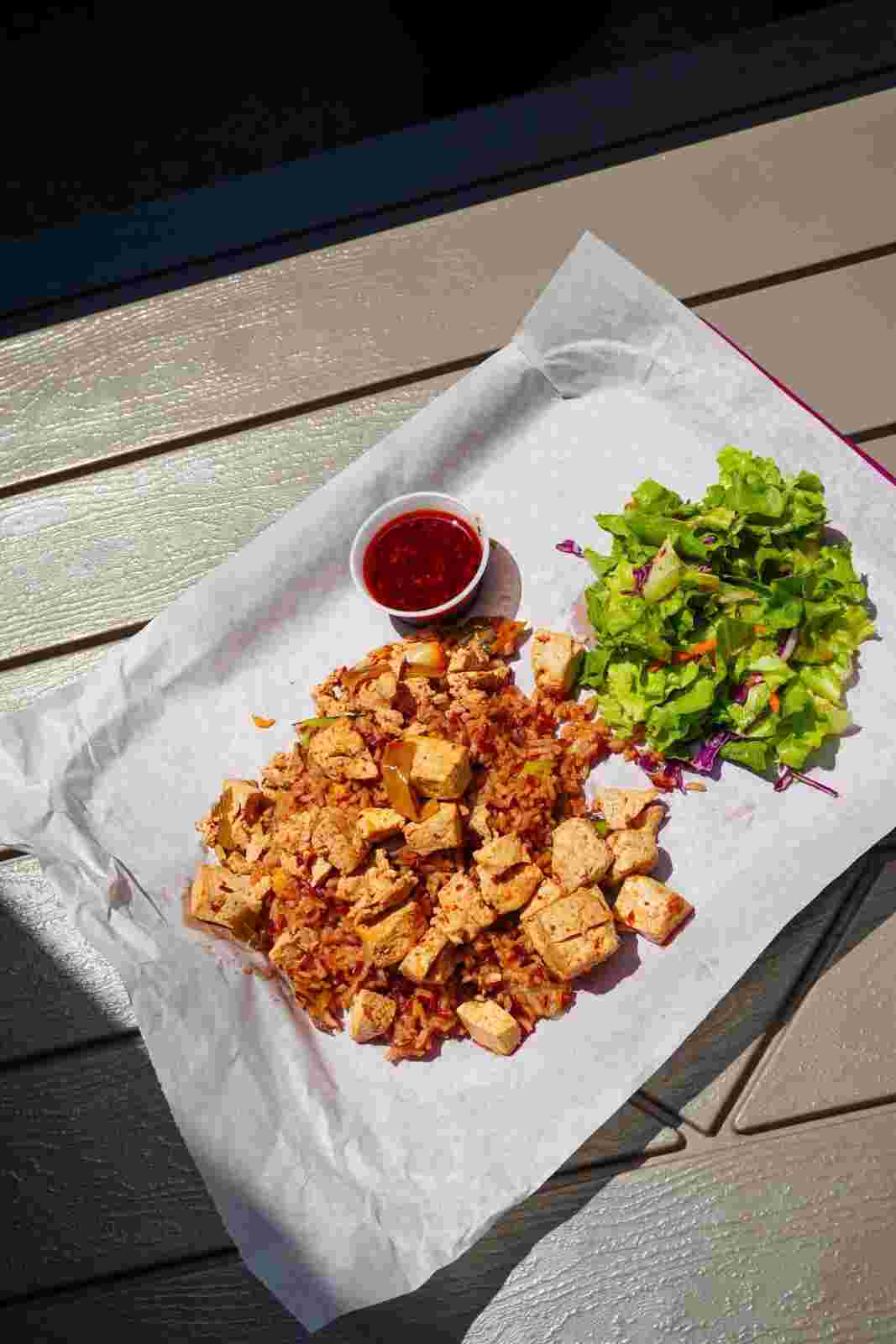
Chef Lona Luo grew up in Yunnan, and those roots still shape the food at Lona’s Lil Eats.
The restaurant isn’t strictly traditional Yunnan cuisine, but the influence is everywhere.
You’ll notice:
- fresh herbs
- bright sauces
- balanced spice
- rice-based dishes
- lighter textures
- customizable meals
Instead of the heavy takeout style many people expect, the food feels closer to modern Yunnan-inspired cooking:
fresh, bold, and ingredient-focused.
That’s a big reason why Lona’s became one of the most talked-about Asian fusion restaurants in St. Louis.
What to Order at Lona’s Lil Eats If You’re Curious About Yunnan Flavors
If it’s your first visit, start with dishes that reflect those fresh Yunnan-inspired qualities.
Best First Orders
- giant rice paper wraps
- dumplings
- noodle bowls
- herb-forward sides
- spicy sauces and chili oils
The wraps especially capture that balance of:
- freshness
- texture
- herbs
- spice
They’re one of the clearest examples of how Yunnan-inspired cooking can evolve into something modern and uniquely St. Louis.
Final Thoughts: Why Yunnan Cuisine Deserves More Attention
Yunnan cuisine isn’t just another regional Chinese food trend.
It’s one of the most diverse, fresh, and ingredient-driven culinary traditions in Asia.
Between:
- ethnic minority influences
- wild mushroom culture
- herb-heavy cooking
- Rice noodle traditions
- sour-and-spicy balance
the cuisine offers something genuinely different.
And as more people move toward lighter, fresher, more customizable meals, it makes sense that Yunnan-inspired food is finally getting the attention it deserves.
If you want a taste of those flavors in St. Louis, Lona’s Lil Eats is one of the best places to start.
FAQ’s About Yunnan Cuisine
Q1. What is the most famous food in Yunnan?
Ans: The most famous Yunnan dish is Crossing-the-Bridge Noodles (Guoqiao Mixian), a rice noodle soup served with hot broth and fresh ingredients added tableside.
Q2. Is Yunnan cuisine spicy?
Ans: Yes, but it’s usually a fresher, more aromatic spice compared to Sichuan cuisine. Many dishes balance chili heat with herbs, sour flavors, and light broths.
Q3. What makes Yunnan cuisine different from other Chinese food?
Ans: Yunnan cuisine stands out for:
- fresh herbs
- wild mushrooms
- rice noodles
- sour-and-spicy balance
- Southeast Asian influences
It feels lighter and more ingredient-focused than many other regional Chinese cuisines.
Q4. Is Yunnan food healthy?
Ans: Many Yunnan dishes are vegetable-heavy and built around fresh ingredients rather than thick sauces or deep frying, making them feel lighter and more balanced.
Q5. Is Yunnan cuisine halal?
Ans: Some Yunnan dishes are halal due to Hui Muslim influences in the region, but not all. Pork is still commonly used across many traditional dishes.
Q6. Where can I try Yunnan-inspired food in St. Louis?
Ans: Lona’s Lil Eats brings many Yunnan-inspired flavors into its fresh Asian fusion menu through herb-forward dishes, rice wraps, and balanced spice profiles.