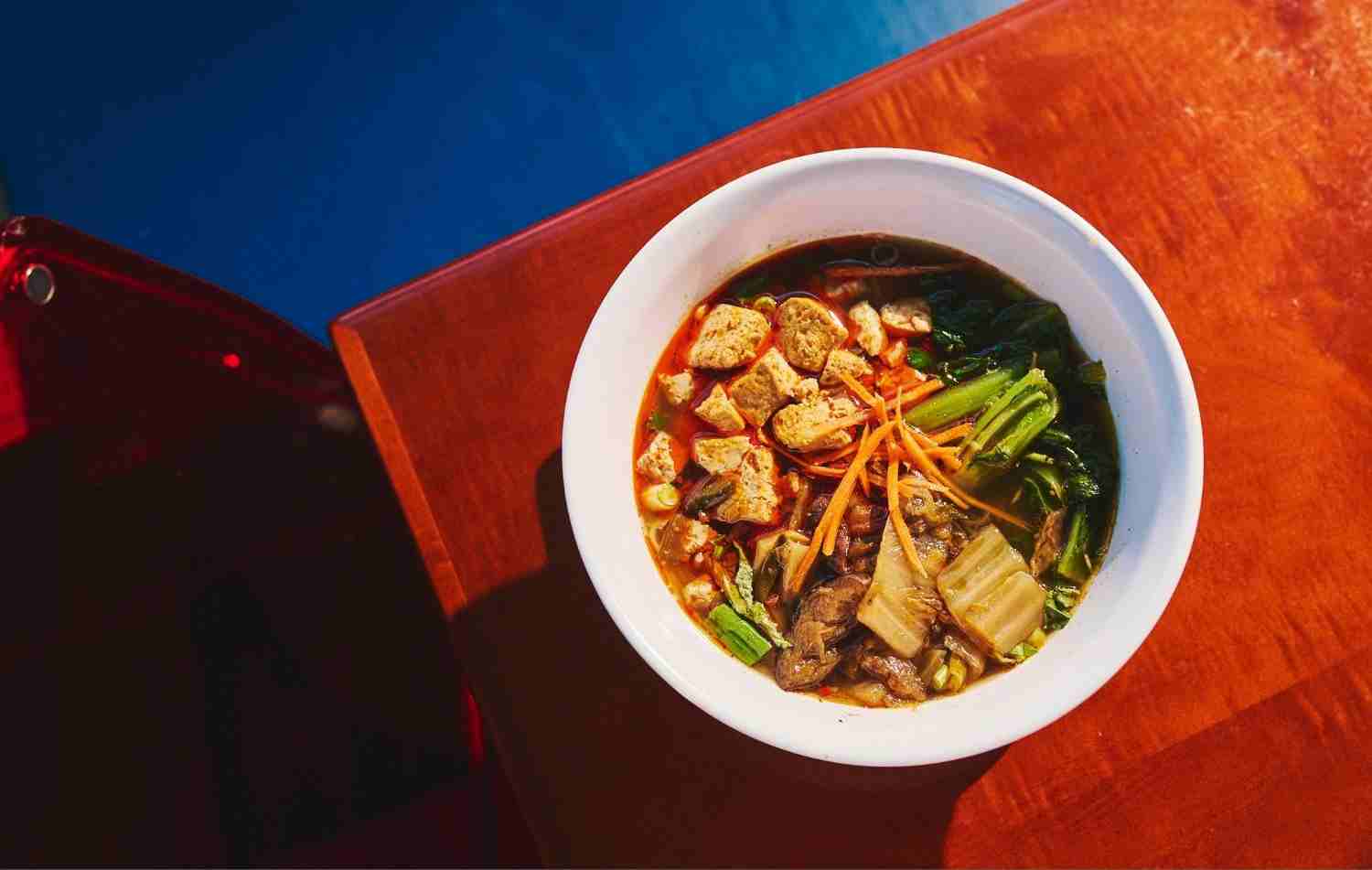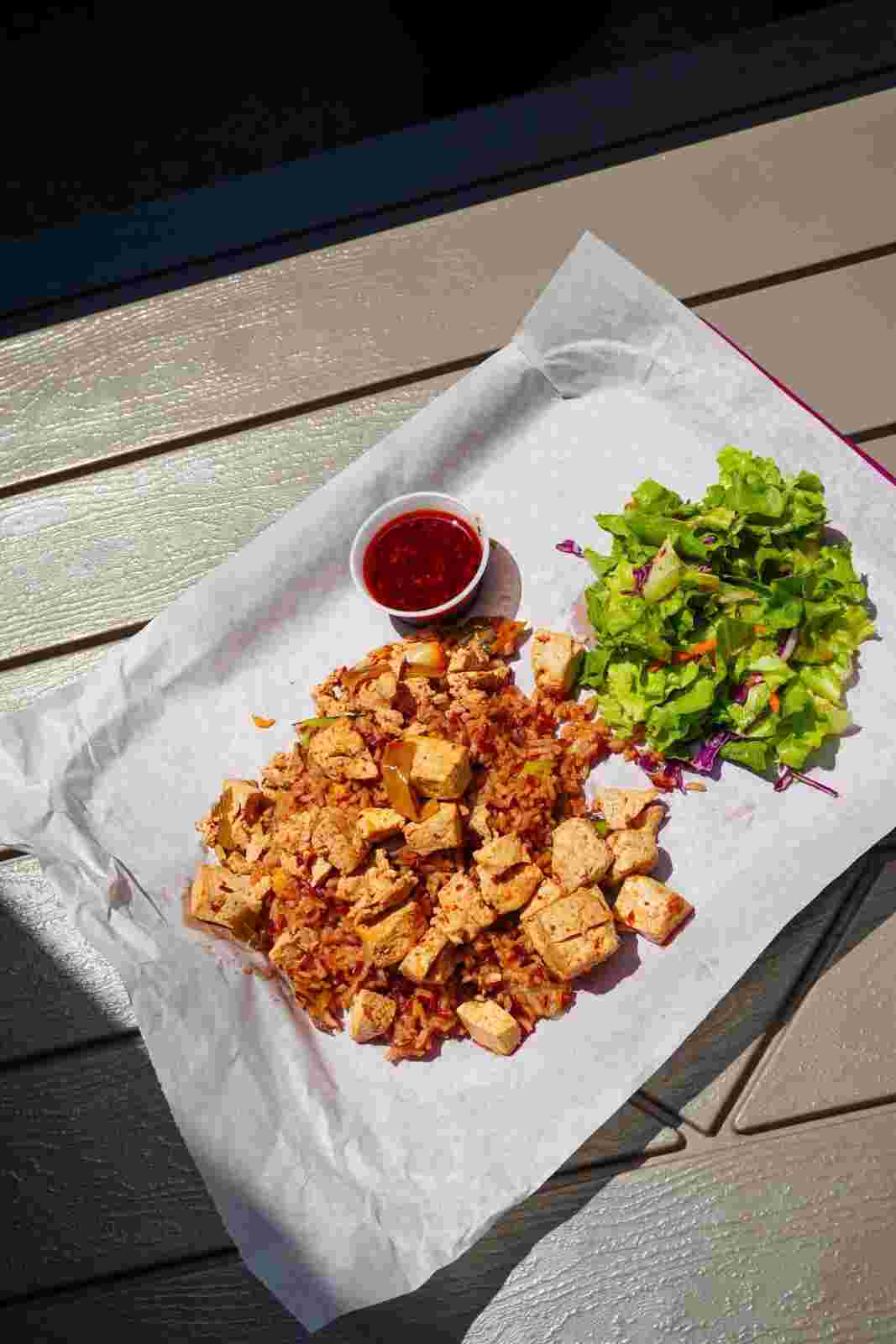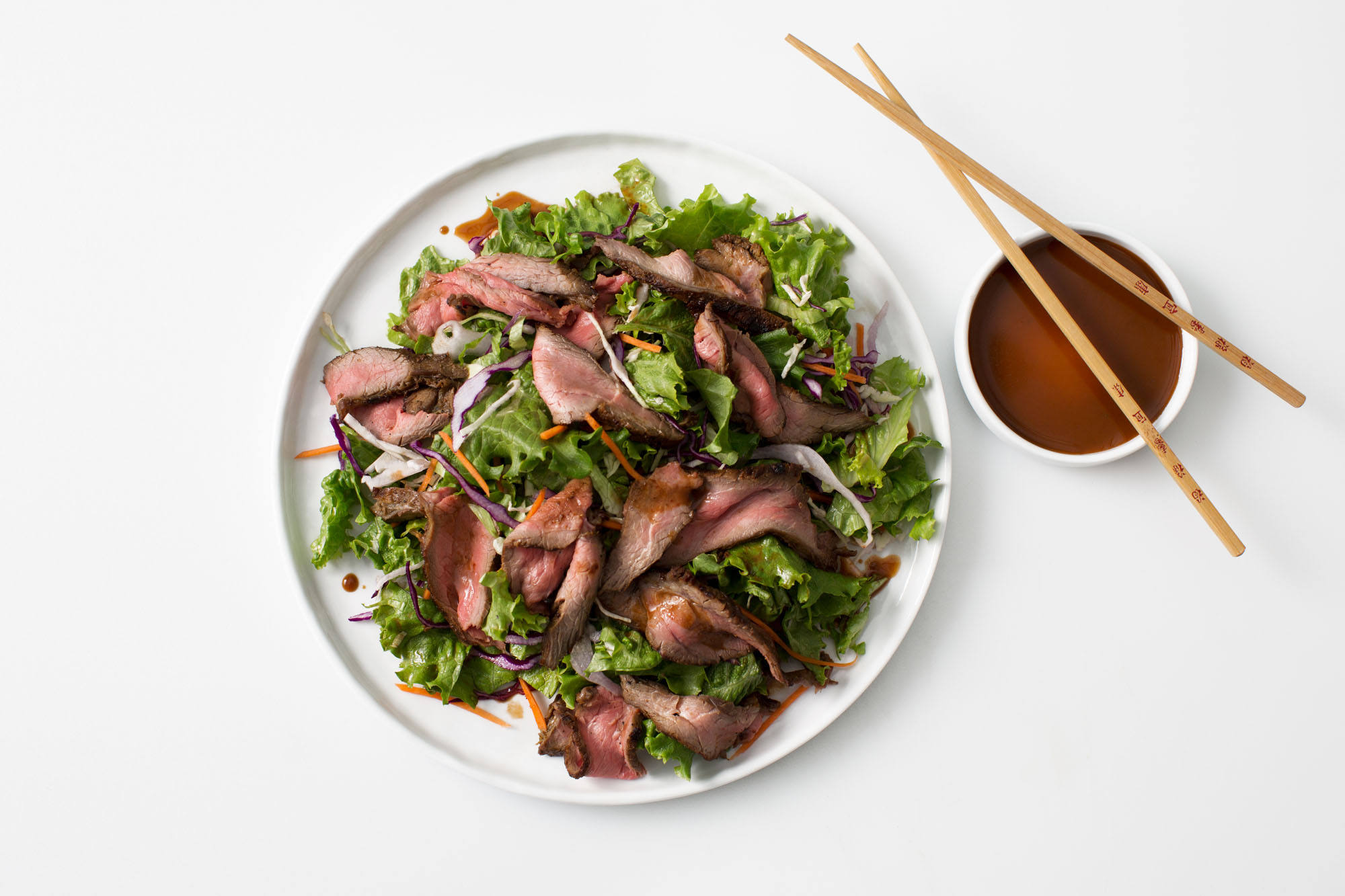

Yes, rice paper is a healthy food choice. A single rice paper sheet contains just 30–45 calories, is naturally gluten-free, has almost no fat, and contains zero cholesterol. However, rice paper is not nutritionally complete on its own — it is low in protein, fiber, and essential vitamins. Its healthiness depends largely on what you put inside it and how you prepare it. Fresh rice paper rolls stuffed with vegetables and lean protein are among the healthiest meal options available; deep-fried rice paper rolls are not.
At Lona’s Lil Eats, home of the Original Giant Rice Paper Wrap in St. Louis, we get asked this question more than almost any other. Our customers want to know exactly what they are eating, and we believe they deserve a straight answer — so here is everything we know about rice paper and your health.
What Is Rice Paper Made Of?
Rice paper is a thin, translucent, edible wrapper made from just a few simple ingredients: rice flour, water, tapioca starch, and salt. Some brands also include a small amount of vegetable oil to improve flexibility.
The wrapper originates from Southeast Asian cuisine, particularly Vietnam, where it is called bánh tráng. It has been used for centuries to wrap fresh spring rolls (gỏi cuốn), fried rolls (chả giò), and other traditional dishes.
Because the ingredient list is so short and plant-based, rice paper is naturally free from many common allergens, including gluten, dairy, eggs, nuts, and soy. This makes it a safe wrapper option for people with celiac disease, gluten sensitivity, or multiple food allergies.
Rice Paper Nutrition Facts Per Sheet
Here is the nutritional breakdown for a standard medium rice paper sheet (approximately 22 cm / 8.5 inches in diameter, weighing about 14 grams), based on USDA data:
| Nutrient | Amount Per Sheet | % Daily Value |
| Calories | 35–45 kcal | ~2% |
| Total Fat | 0.1 g | <1% |
| Saturated Fat | 0 g | 0% |
| Cholesterol | 0 mg | 0% |
| Sodium | 30–50 mg | 1–2% |
| Total Carbohydrates | 8–10 g | 3% |
| Dietary Fiber | 0.1 g | <1% |
| Sugars | 0 g | 0% |
| Protein | 0.3–0.5 g | <1% |
| Iron | Trace amounts | ~1% |
Key takeaway: Rice paper is primarily a carbohydrate source. It delivers minimal fat, protein, fiber, vitamins, or minerals on its own. Think of it as a light, clean vehicle for nutrient-dense fillings rather than a nutritional powerhouse by itself.
For a deeper breakdown of calorie counts across different portion sizes, see our complete guide to rice paper wraps calories.
7 Health Benefits of Rice Paper
1. Very Low in Calories
At 30–45 calories per sheet, rice paper is one of the lightest wrappers available. A typical flour tortilla contains 120–150 calories, a whole wheat wrap runs 130–180 calories, and a slice of sandwich bread is 70–100 calories. Choosing rice paper as your wrap of choice reduces your calorie intake from the wrapper itself by 60–80% compared to most alternatives.
2. Naturally Gluten-Free
Rice paper is made from rice flour and tapioca starch, both of which are naturally free of gluten. This makes it a reliable option for people with celiac disease, non-celiac gluten sensitivity, or those following a gluten-free diet by choice. Always check the label to confirm there is no cross-contamination during manufacturing if you have a severe alluten allergy.
3. Almost Zero Fat
A single sheet of rice paper contains approximately 0.1 grams of fat. Unlike puff pastry (which can contain significant saturated and even trans fats), phyllo dough, or flour-based wraps, rice paper adds virtually no fat to your meal. This makes it particularly useful for people following low-fat diets or managing cardiovascular risk factors.
4. No Cholesterol
Rice paper is completely cholesterol-free. Combined with its negligible fat content, this makes it a heart-friendly wrapper choice.
5. Allergen-Friendly
Because it is made from just rice, tapioca, water, and salt, rice paper is naturally free from the eight major food allergens recognized by the FDA: milk, eggs, fish, shellfish, tree nuts, peanuts, wheat, and soybeans. This makes it one of the safest food wrappers for people managing multiple food allergies.
6. Encourages Fresh, Whole Food Meals
One of the most underrated benefits of rice paper is what it encourages you to eat with it. Fresh rice paper rolls are traditionally filled with raw vegetables, herbs, lean protein, and minimal sauce. The wrapper itself is so delicate that it works best with fresh, unprocessed ingredients. This naturally steers you toward meals that are rich in vitamins, fiber, and minerals — a stark contrast to heavy, fried alternatives.
At Lona’s Lil Eats, we build our Giant Rice Paper Wraps exactly this way: packed with fresh vegetables, high-quality protein, and made-from-scratch sauces.
7. Low Sodium
Most rice paper brands contain 30–50 mg of sodium per sheet, which is well below the 2,300 mg daily limit recommended by the American Heart Association. Many bread and wrap alternatives contain 200–400 mg of sodium per serving.
Potential Downsides of Rice Paper
No food is perfect, and rice paper has some nutritional limitations worth understanding.
Low in Protein
A single rice paper sheet contains less than 1 gram of protein. Protein is essential for muscle maintenance, satiety, and blood sugar regulation. This means rice paper should always be paired with a meaningful source of protein — grilled chicken, shrimp, tofu, eggs, or legumes — to create a balanced meal.
Low in Fiber
Rice paper provides almost no dietary fiber. Fiber supports healthy digestion, helps regulate blood sugar levels, and promotes satiety. To compensate, load your rice paper rolls with fiber-rich vegetables like leafy greens, shredded carrots, cabbage, cucumber, and fresh herbs.
Made from Refined Rice Flour
Rice paper is made from white (refined) rice flour, not whole grain rice. Nutritionally, this makes it closer to white bread than to brown rice. The refining process removes much of the bran and germ, which contain fiber, B vitamins, and minerals. While this is not harmful in moderation, it means rice paper has a moderate glycemic index and should be balanced with lower-glycemic fillings.
Not a Significant Source of Vitamins or Minerals
Rice paper provides only trace amounts of iron and virtually no other vitamins or minerals. It is not a substitute for nutrient-dense foods — it is a complement to them.
Is Rice Paper Good for Weight Loss?
Rice paper can be a smart choice for weight management, but not because of any magical property — it is simply very low in calories.
A typical fresh rice paper roll with vegetables, herbs, and lean protein totals about 80–120 calories. Compare that to a burrito (500–800 calories), a sandwich on thick bread (350–500 calories), or a fried spring roll (150–250 calories per piece). When you choose fresh rice paper wraps over higher-calorie alternatives, the math works in your favor.
That said, rice paper is not a weight loss food on its own. If you deep-fry it, drench it in heavy peanut sauce, or overload it with starchy fillings, the calorie count climbs quickly. The key is preparation:
Lower-calorie rice paper meals:
- Fresh spring rolls with vegetables, shrimp, and a light dipping sauce
- Rice paper salad bowls with lean protein and lime-chili dressing
- Rice paper wraps with tofu, mint, and raw vegetables
Higher-calorie rice paper meals:
- Deep-fried spring rolls or egg rolls
- Rice paper wraps loaded with vermicelli noodles and heavy peanut sauce
- Crispy rice paper snacks fried in oil
For a deeper look at how rice paper fits into calorie-conscious eating, see our articles on rice paper wraps calories and fresh spring roll calories.
Is Rice Paper Healthier Than Tortillas?
This is one of the most common comparisons people make, and the answer depends on what you prioritize.
| Factor | Rice Paper (1 sheet) | Flour Tortilla (1 medium) | Whole Wheat Wrap (1 medium) |
| Calories | 35–45 | 120–150 | 130–180 |
| Total Fat | 0.1 g | 3–5 g | 3–4 g |
| Carbs | 8–10 g | 20–25 g | 22–28 g |
| Fiber | <0.5 g | 1–2 g | 3–5 g |
| Protein | <1 g | 3–4 g | 4–6 g |
| Gluten-Free | Yes | No | No |
| Cholesterol | 0 mg | 0 mg | 0 mg |
Rice paper wins on: Calories, fat content, allergen safety, and simplicity of ingredients.
Tortillas and wraps win on: Protein, fiber, durability, and vitamin/mineral content (especially whole wheat wraps).
Bottom line: If your primary goal is reducing calorie and fat intake or you need a gluten-free option, rice paper is the better choice. If you need more fiber and protein from your wrapper itself, a whole wheat tortilla has the edge.
Is Rice Paper Keto-Friendly?
Rice paper is not ideal for strict ketogenic diets. A single sheet contains 8–10 grams of carbohydrates, nearly all from refined starch. Most keto plans limit total daily carbs to 20–50 grams, which means just 2–3 sheets of rice paper could consume a significant portion of your carb budget.
If you are following a keto or very low-carb diet, lettuce wraps, collard green wraps, or nori seaweed sheets are better alternatives. However, for moderately low-carb diets (under 100 grams of carbs per day), rice paper can fit comfortably.
Is Rice Paper Safe for Diabetics?
Rice paper has a moderate glycemic index because it is made from refined white rice flour. For people managing diabetes, this means rice paper can cause a faster rise in blood sugar compared to whole-grain alternatives.
However, the glycemic impact of any single food depends on the total meal. When rice paper is filled with high-fiber vegetables, healthy fats (like avocado), and lean protein, the overall glycemic response is significantly reduced. The key for diabetics is to avoid eating rice paper with other high-glycemic fillings (like white rice noodles) and instead pair it with low-glycemic, nutrient-dense ingredients.
Consult your healthcare provider or registered dietitian for personalized guidance on how rice paper fits into your specific diabetes management plan.
Tips for Making Rice Paper Rolls Healthier
Whether you are making fresh rolls at home or ordering from a restaurant like Lona’s Lil Eats in St. Louis, here are practical ways to maximize the health benefits of rice paper:
Pack in the vegetables. The more vegetables you include — leafy greens, shredded carrots, sliced cucumber, bell peppers, fresh herbs like mint, basil, and cilantro — the more fiber, vitamins, and antioxidants your meal delivers.
Add quality protein. Grilled chicken, shrimp, tofu, tempeh, or hard-boiled eggs make your rice paper rolls a complete, satisfying meal rather than just a light snack.
Go easy on sauces. Peanut sauce, hoisin, and sweet chili sauce are delicious but calorie-dense. Use them as a light dip rather than a generous drizzle. A squeeze of lime and a splash of fish sauce can deliver enormous flavor with very few calories.
Avoid deep-frying. Fresh rice paper wraps are a healthy choice. The moment you deep-fry them, you add 100+ calories of oil per piece and transform a light, nutritious food into a greasy indulgence. If you want crunch, try lightly brushing rice paper with oil and air-frying at 375°F for 6–8 minutes.
Use a variety of fillings. Rotate your ingredients to get a broad spectrum of nutrients. One day try a raw vegan recipe with mango and avocado; the next, go for shrimp and herbs with a citrus-based sauce.
How We Use Rice Paper at Lona’s Lil Eats
At Lona’s Lil Eats, we have built our entire menu around the Giant Rice Paper Wrap. Our approach to rice paper is simple: start with the freshest possible ingredients, make every sauce and seasoning from scratch (starting from peeling the garlic and roasting the peanuts), use absolutely no MSG, and create meals that are filling without making you feel heavy.
We specialize in fresh Asian cuisine with a soul-food flair — and our rice paper wraps reflect that philosophy. Every step of our menu offers vegan, vegetarian, and carnivore choices, along with gluten-free and diabetic-friendly options.
If you are in the St. Louis area, we invite you to visit us at 2199 California Ave, St. Louis, MO 63104 to experience how healthy, satisfying, and delicious rice paper wraps can be. You can also order online or explore our catering menu for your next event.
Frequently Asked Questions
Is rice paper healthy to eat every day?
Rice paper is safe to eat daily as part of a balanced diet. Because it is low in calories, fat, and sodium, it does not pose the same overconsumption risks as heavier wraps or breads. However, since rice paper is low in protein, fiber, and micronutrients, make sure the rest of your meal provides those nutrients through diverse vegetables, lean proteins, and healthy fats.
Is rice paper fattening?
Rice paper is not fattening by itself. At 30–45 calories and 0.1 grams of fat per sheet, it is one of the lowest-calorie food wrappers available. What makes a rice paper meal higher in calories is typically the fillings and sauces — deep-fried preparations, heavy peanut sauce, and starchy noodle fillings add the most calories.
Are rice paper wraps healthy for you?
Yes, rice paper wraps can be very healthy — especially when filled with fresh vegetables, herbs, and lean protein and served fresh (not fried). They are gluten-free, low in fat, low in sodium, and significantly lower in calories than tortillas, bread, or pastry-based wraps.
Is rice paper good for you compared to bread?
Rice paper has fewer calories and less fat than most breads. A single rice paper sheet has 35–45 calories versus 70–100 calories for a slice of white bread. However, whole grain breads offer more fiber, protein, and B vitamins than rice paper. The best choice depends on your specific health goals.
Does rice paper have any vitamins?
Rice paper contains only trace amounts of iron and minimal other vitamins or minerals. It is not a meaningful source of micronutrients on its own. To get vitamins and minerals from a rice paper meal, focus on the fillings — fresh vegetables, herbs, and protein-rich ingredients do the nutritional heavy lifting.
Is rice paper processed food?
Rice paper is a minimally processed food. It is made by mixing rice flour with water and tapioca starch, spreading the mixture into thin sheets, and drying them. There are no artificial preservatives, colors, or flavors in traditional rice paper. Compared to most packaged bread, wraps, and pastry products, rice paper has a much simpler and cleaner ingredient list.
Last updated: June 2026. This article is for informational purposes only and does not constitute medical or dietary advice. Consult a registered dietitian or healthcare provider for guidance specific to your health conditions.