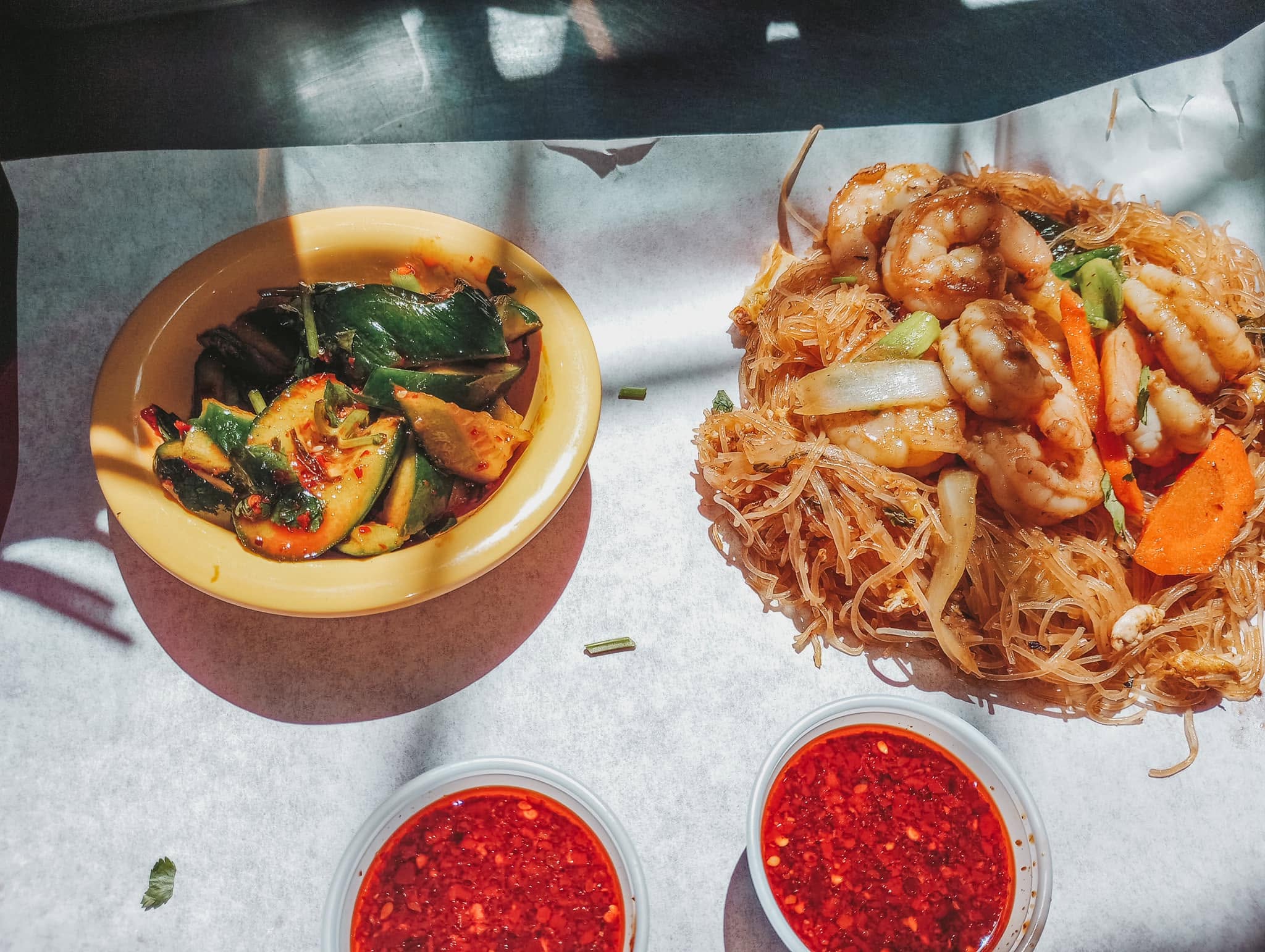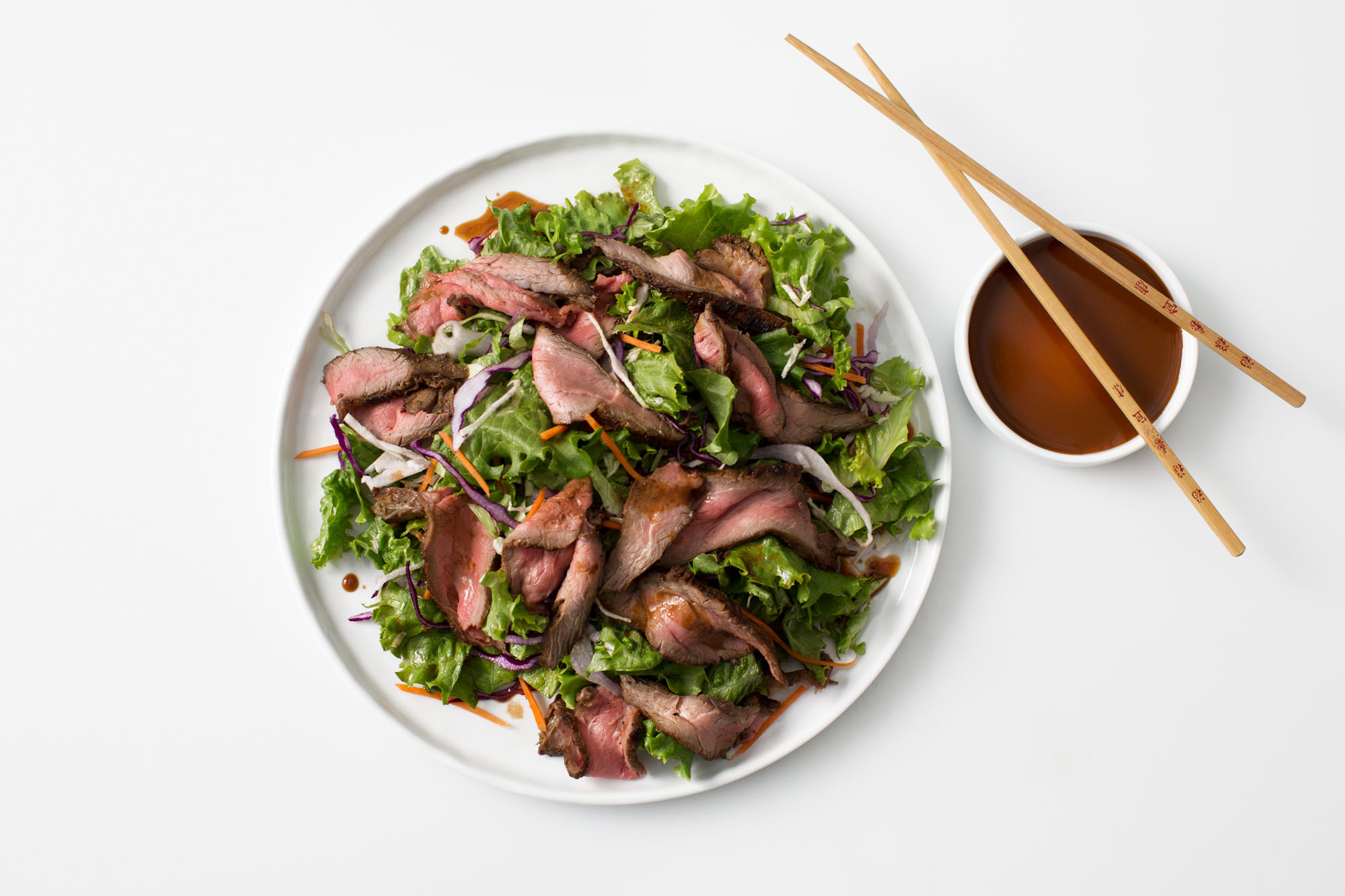


The healthiest-sounding dish on a menu may not be the healthiest one. That’s the warning from Iowa State University Extension, and it’s the reason its dining-out guide tells you to ask questions instead of trusting a name. Knowing how to eat healthy while dining out is mostly a handful of habits, and none of them involve a limp lettuce plate.
We’ve been feeding people at Soulard Farmers Market since 2008, so we’ve watched plenty of customers work out what they want. These are the moves that hold up anywhere, from a corner counter to a sit-down dinner.
How to eat healthy while dining out starts before you sit down
Look at the menu online first and decide what you’ll order before you arrive. Teladoc Health and UMass Memorial Health both give the same advice, and for good reason: choosing at the table, hungry and surrounded by smells, is when the fried appetizer wins.
Eat something during the day, too. Teladoc Health notes that diners who show up starving are more likely to over-order and to fill up on free bread and chips, which offer little nutrition but plenty of calories.
Planning a big dinner? UMass Memorial Health suggests eating lighter earlier in the day, so the indulgent meal fits into the whole day instead of sitting on top of it.
What to ask your server about the food
Ask how the dish is cooked and what goes into the sauce. Menu words like “crispy” and “golden” tell you a fryer is involved, while “house sauce” tells you nothing.
Iowa State’s list of questions is a useful script. Ask whether the fish, chicken or pork is grilled, broiled, breaded or fried, whether the soup base is broth or cream, whether the food was marinated in a sauce, and what’s in the dressing.
You can also ask for swaps. Teladoc Health says wait staff can usually substitute extra vegetables for fries, and that a fried version can often be made grilled if you ask.
A good kitchen likes these questions. At our shop we make all our seasonings and sauces from scratch, from peeling the garlic to roasting peanuts, so ask us what’s in anything and you’ll get a real answer.
Cooking method and sauce: where the extra calories hide
Steamed, grilled, broiled, baked and poached are the cooking methods to look for. UMass Memorial Health lists exactly those for meat, poultry and fish, and says to remove chicken skin.
Sauce is the second place calories hide. Ask for dressings, sauces and butter on the side, then use about a tablespoon, which is the amount UMass Memorial Health suggests.
That one change keeps flavor in your hands. You get the taste on every bite without a plate swimming in it.
Healthy restaurant choices at an Asian spot
Asian menus are easier to eat well from than most, because so many dishes are built on vegetables, rice and a protein. The traps are specific, though, and Cleveland Clinic’s dietitian Kate Patton names them.
| Instead of | Try | Why, per Cleveland Clinic |
|---|---|---|
| Egg rolls or fried dumplings | Steamed dumplings | Skips the fryer |
| Fried rice | Steamed rice, or brown rice | Fried rice carries more sodium, MSG, calories and fat |
| Fried or breaded entrees | Grilled, broiled, baked or sautéed protein | Less fat from the cooking method |
| White refined noodles | Mung bean or rice noodles | A lighter noodle swap |
Cleveland Clinic also suggests asking the cook to go lighter on oil and soy sauce. Tofu and edamame are its picks for protein.
Not sure where to start with our own menu? Our menu lists everything we serve, and the Giant Rice Paper Wrap is the one people ask about most. If you’re leaning plant-based, our vegetarian options are collected on one page.
One more habit from the same family: start with vegetable soup or a salad. UMass Memorial Health says it helps you avoid overeating at the main course, and our Asian soup recipes for cold weather show how much flavor a broth can carry.
Portions, drinks and dessert
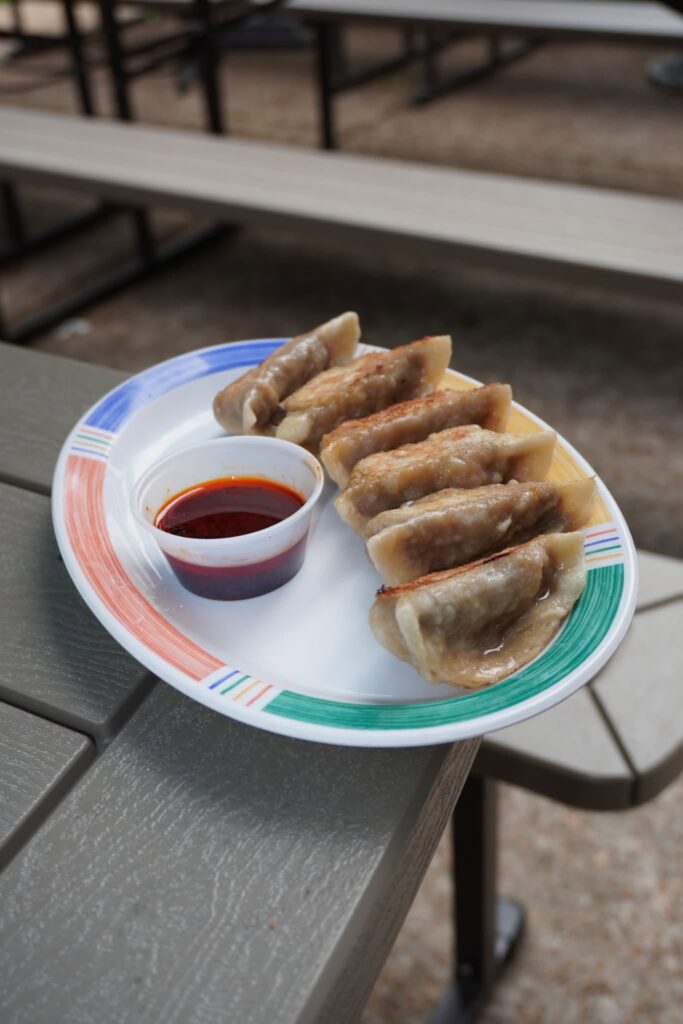
Restaurant portions are often much larger than what you’d cook at home, according to Teladoc Health. Ask for a box when the food arrives and pack half before you start, or split a plate with a friend.
Drinks are quieter than food. Sodas, juices and smoothies can rack up hundreds of calories before the meal arrives, Teladoc Health says, and that’s without the free refills. Water, sparkling water or unsweetened iced tea won’t cost you any of it.
Dessert doesn’t have to be a lecture. Share one for the table, or order fruit or sorbet if you want something sweet.
Buffets deserve a word. Iowa State suggests ordering from the menu instead of going all-you-can-eat, which makes sense: it’s hard to eat a sensible amount when the plate refills itself.
Habits that make healthy eating at restaurants last
Order a regular-sized meal instead of a super-sized one. UMass Memorial Health points out that a kids’ meal may be enough for some appetites, and it may come with healthier sides.
Read nutrition information when a restaurant provides it, and ask when it doesn’t. Chains often list calories, while smaller places can usually tell you what’s in a dish if you ask. Iowa State also suggests calling ahead if you need gluten-free options or have questions about cross-contamination.
Give yourself time, too. UMass Memorial Health says that it can take six months to change a single old habit, so pick one or two moves from this list and add another next month. That’s the realistic way to learn how to eat healthy while dining out for good.
Seven rules for how to eat healthy while dining out
Screenshot this list or keep it in your head. Every item comes from the guides above.
- Read the menu before you go and pick your dish ahead of time.
- Don’t arrive starving.
- Ask how it’s cooked, and choose steamed, grilled, broiled or baked.
- Get sauce and dressing on the side.
- Swap fries or fried rice for vegetables or steamed rice.
- Box half before you start eating.
- Drink water or unsweetened tea, and share dessert.
Eating well when you’re out is about the pattern, not perfection. If you’re also managing blood sugar, our guide to diabetic friendly restaurant meals goes deeper.
Standing in the Fox Park neighborhood, or at our Saturday lunch stand at Soulard Farmers Market? Pick a bowl, a wrap or a plate, and tell us how you’d like it. We’ll build it the way you want.
Frequently asked questions
How to eat healthy while dining out if I want to indulge sometimes?
Yes. If you plan to indulge, UMass Memorial Health suggests choosing lighter foods the rest of the day so the whole day stays balanced.
Should I skip the bread and chips on the table?
Iowa State suggests avoiding table items like chips and bread, and Teladoc Health says they offer little nutrition for many calories. Start with a side salad or vegetable soup instead.
Why is fried rice a worse pick than steamed rice?
Cleveland Clinic says fried rice has more sodium, MSG, calories and fat than steamed rice. Steamed brown rice is its better choice.
Can I ask a restaurant to change a dish?
You can. Ask for less oil, less soy sauce, sauce on the side, or grilled instead of fried. Teladoc Health says staff can often make substitutions like extra vegetables for fries.
Sources
- Tips for Conscientious Eating When Dining Out — Iowa State University Extension and Outreach
- Tips for eating healthy when dining out — Teladoc Health
- How to Pick Asian Food That Is Heart Healthy — Cleveland Clinic
- Eating Out: Tips for Making Healthy Choices — UMass Memorial Health